Riparian is one of those sciencey words that can put people off – but once you know what it means, it’s hard to ignore just how important it is.
So what does riparian mean?
It simply refers to the areas alongside rivers, burns, streams, and lochs. The banks. The fringes. The land where water and land meet.
These places aren’t just muddy edges – they’re crucial.
Why riparian areas matter
They act like natural buffers – filtering pollution, slowing water, and soaking up nutrients
They’re home to wildlife – insects, birds, mammals, plants, fungi, and fish all depend on them
Trees and plants provide shade – keeping water cool and oxygen levels up for fish
Their roots help hold the banks together – stopping erosion
Healthy riparian zones slow down floodwater and allow rivers to safely spill out onto floodplains
Why is restoration needed?
In many places over the past centuries, we’ve:
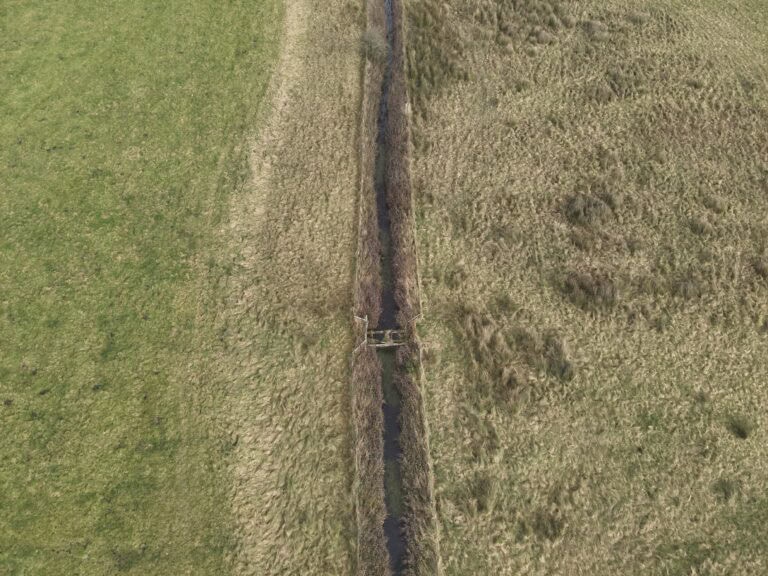
Straightened rivers to improve drainage
Lost wetlands
Removed trees and wild margins
Built embankments that disconnect rivers from their floodplains
As a result, water moves too fast, pollution flows straight in, habitats disappear, and rivers lose their resilience.
There is a history of water ways being straightened to improve drainage.
Straightened channels can have many consequences including changes in flow and available habitats.
Why riparian restoration is so important
Restoring riparian zones helps:
Tackle flooding by reconnecting rivers to floodplains
Support biodiversity by rewilding river corridors
Improve water quality naturally
Store carbon in wetland soils and vegetation
Boost resilience against drought, heatwaves, and extreme rainfall
And it’s not just good for nature – it’s good for people too. More shade, cleaner water, more wildlife, better places to walk, think, fish, and breathe.
What restoration looks like
Planting native trees and shrubs
Rewiggling straightened rivers
Creating or reviving wetlands and backwaters
Fencing off banks to protect them from heavy grazing
Letting natural processes take over again
It’s not about turning back time – it’s about letting rivers and land work with each other again.
Restoration can look different to each unique site and its features. Methods can include improving riparian habitats with planting which can provide shade and stability to banks.