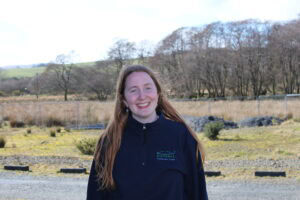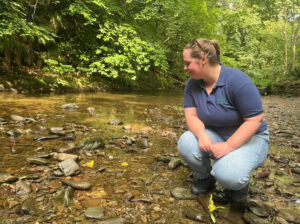


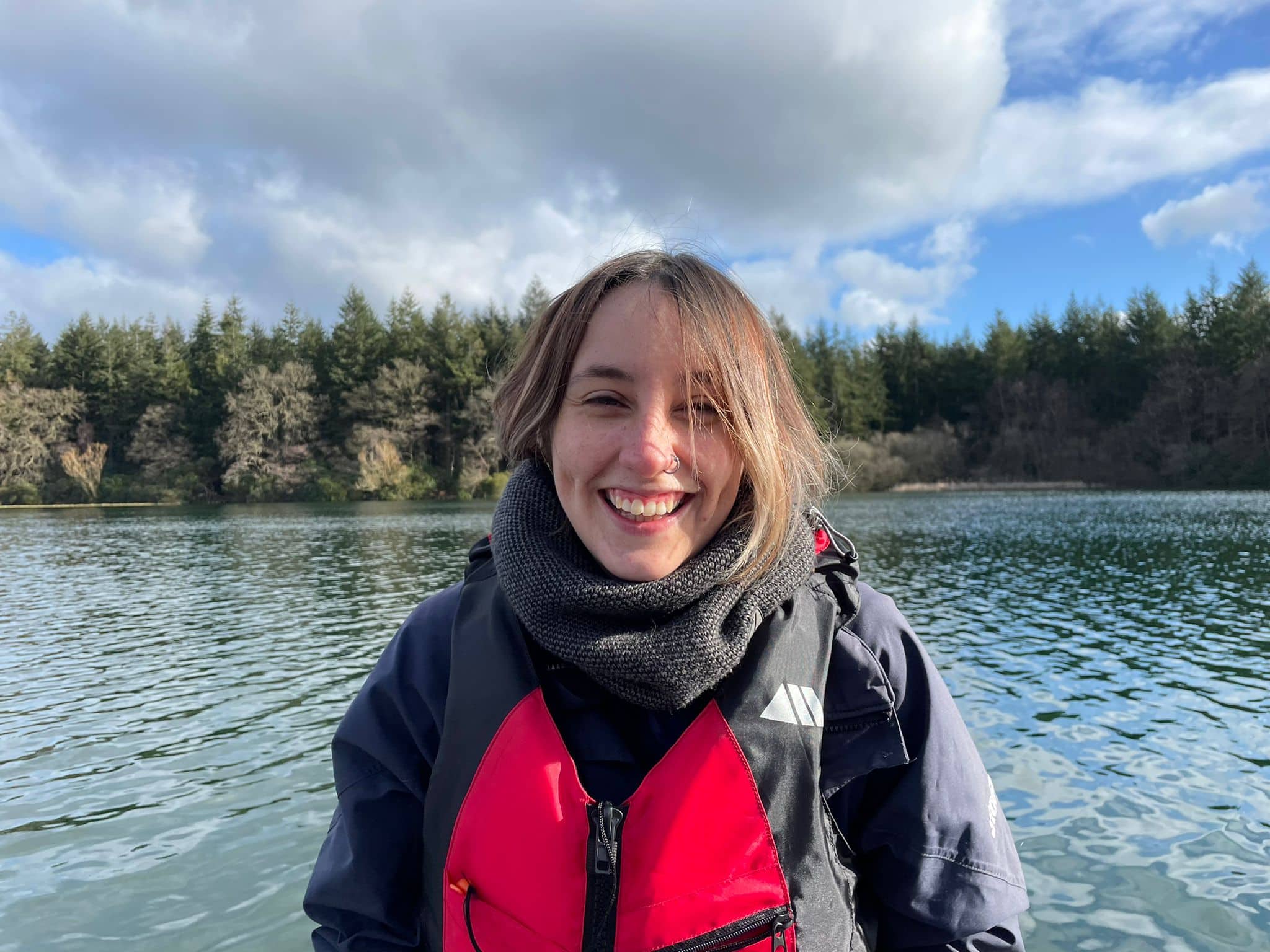
For the first of our staff interviews, we’ve had a chat with ecologist Heather Ridgway, to find out what she does on the project and what makes her tick!
Hello! Would you like to introduce yourself?
I’m Heather and I’m an ecologist at Galloway Rivers Trust. I’m joint lead on the River Annan Restoration project alongside my colleague Emilie Wardhaugh.
What do you do on a day-to-day basis at your work with GRT?
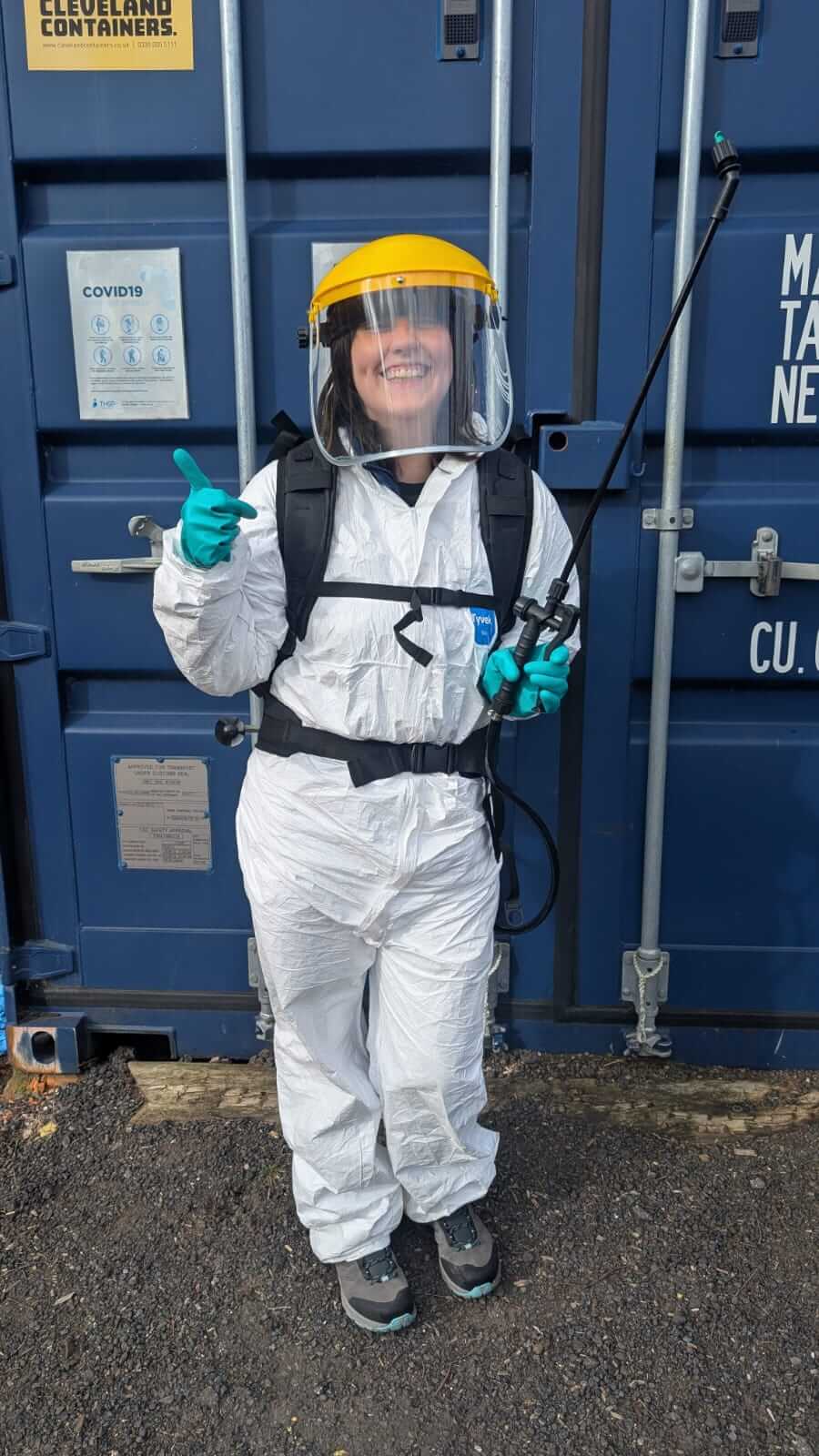
Every day can be wildly different in conservation. Some days I’ll be out and about surveying habitats and species, then other days I’ll be battling invasive plant populations.
I’m all over the different catchments as well to cover the whole of Dumfries and Galloway, so it can be pretty hectic but very interesting.
When the weather isn’t that great, I’ll be often doing mapping and essential reports at my desk, going through potential new sites to restoration plans, assessing habitat data and looking through invertebrate samples.
What kind of training or experience led you here?
I’ve always been obsessed with the natural world and really wanted a job to allow me to keep learning aspects of nature and conservation.
I grew up with climate change being at the forefront of the news. When I graduated at the height of Covid there weren’t many conservation jobs out there and I lacked practical experience, but I luckily got an ecologist position in the consultancy industry once I graduated.
I also volunteered at various conservation organisations to keep gaining practical conservation skills, as I really wanted to keep building skills for when I did get that conservation job.
Having worked as an ecologist for multiple consultancies for four years, I finally got a lucky break with Galloway Rivers Trust with an internship and the rest is history – I hope I can stay here for a very long time!

Was the volunteering a big part of landing you this job?
Oh definitely! It gives you an edge on applications and shows how invested you are. Of course it’s just really fun and social too. There are lots of practical conservation groups like the Butterfly Conservation Bog Squad.
That’s volunteering work where a group of people get together on a bog and do tasks like pulling out trees that are self-seeded onto peatland habitat.
It gives you great social skills alongside those practical conservation skills as well.
And there were always kind members of the group who brought crumble to share around!

I can imagine you’d learn a lot from there, especially from some seasoned volunteers
Absolutely! And of course the people that lead the programs as well, they always want to provide you with extra skills and advice if you’re keen.
It’s helpful if you if you ever want to get into the conservation industry (which is not the easiest to get into) to start with volunteering.
What drew you into to riparian (river habitat) restoration in particular?
I’ve always had a deep passion for ecosystems and how every kind of individual animal and plant has a role to play.
I constantly end up obsessed with different aspects of that: whether it be weird fungi species, the diversity of plants or the lifestyles and habits of different birds.
I feel my happiest and calmest when out in nature so of course I wanted to make my day-to-day job all about protecting these beautiful habitats.
I guess modern restoration work like this is a relatively new scientific concept. River restoration is the most exciting area of that restoration work in my opinion, because a river is the lifeblood in an area from the source to its mouth.
It has so many links to other habitats as well and so many species (including ourselves) which rely so heavily on it being in good condition. Helping restore this habitat can have so many great knock-on effects for all, so that drew me into learning more about that aspect of restoration as well.


Do you think it’s also about responsibility – rivers are symbiotic systems we’ve helped knock off balance. Some say “leave it, let nature take its course,” but don’t we owe it a hand with some practical things we can do?
Yeah, so we’ve done so many actions with direct and knock-on effects that if we don’t give the tools and the space back to the river, it can’t do its thing like it naturally would.
So we really must do some kind of intervention. Obviously, the river knows best what it’s going to do and we want to enable that.
Just giving the tools and the space back to the river system rather than thinking that people know best – because historically, we don’t!
Q: With government spend on invasive species so thin – reportedly around 1% of the UK’s biosecurity budget – how important is the work of your team and local volunteers?
From an invasive species (INNS) standpoint they were originally brought in by people because they’re a nice pretty plant or they’re an animal that we can gain value from like crayfish and mink.
Unfortunately, we’ve been the source for these problems in that what we’ve brought in have proven to be highly adaptable. It’s not really their fault – they’re just doing extremely well where they’ve been put. From a moral standpoint since we’ve caused this issue, we should help restore balance.
These natural biomes are not built to withstand these species, and they just take over. The word invasive here means that they completely out-compete the species that are within that domain.
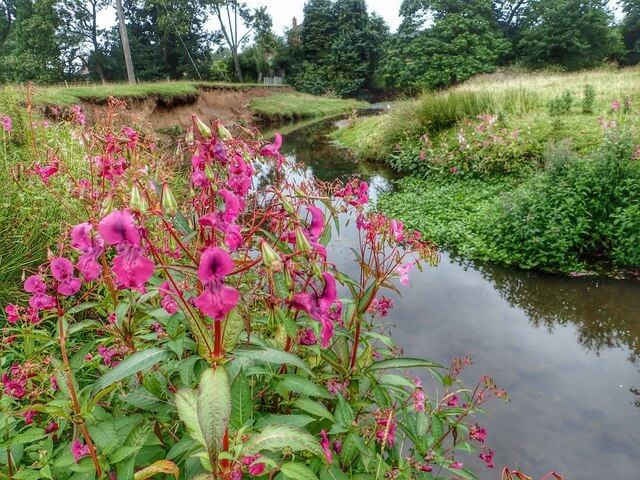
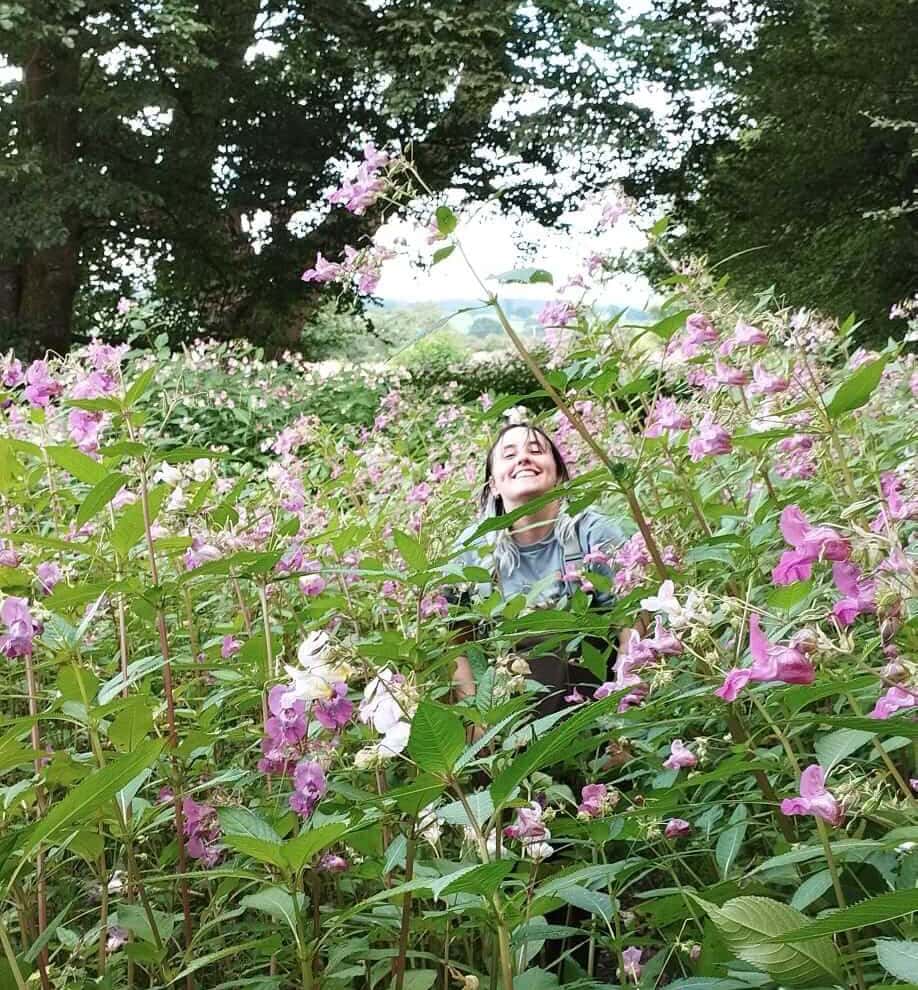
Take Himalayan balsam, you’ll see vast monocultures of just it and a little bit of our own stinging nettle, because that’s such an adaptable species as well. Whereas before those areas could have held 20, 30, 40 plus different species of local plants, now those can’t compete with this big, tall, fast-growing invader that’s just able to shove them aside.
So one of the things that I think is interesting is that these environments are among the last truly wild havens we have left for wildlife. Human use of the land takes a massive percentage of it. You’ve got this tiny wild sliver for nature left in the likes of wild riverbanks.
Yeah absolutely. We have to make sure that now we’ve got such a small area of space for wild nature, we try to make the most of it.
They’ve become so shockingly full of invasive species and nothing much else, which is no good for nature that is meant to exist there.
How do you go about getting people on board that might be a bit resistant to what you’re doing? After all, it’s green and thriving, what’s the problem?
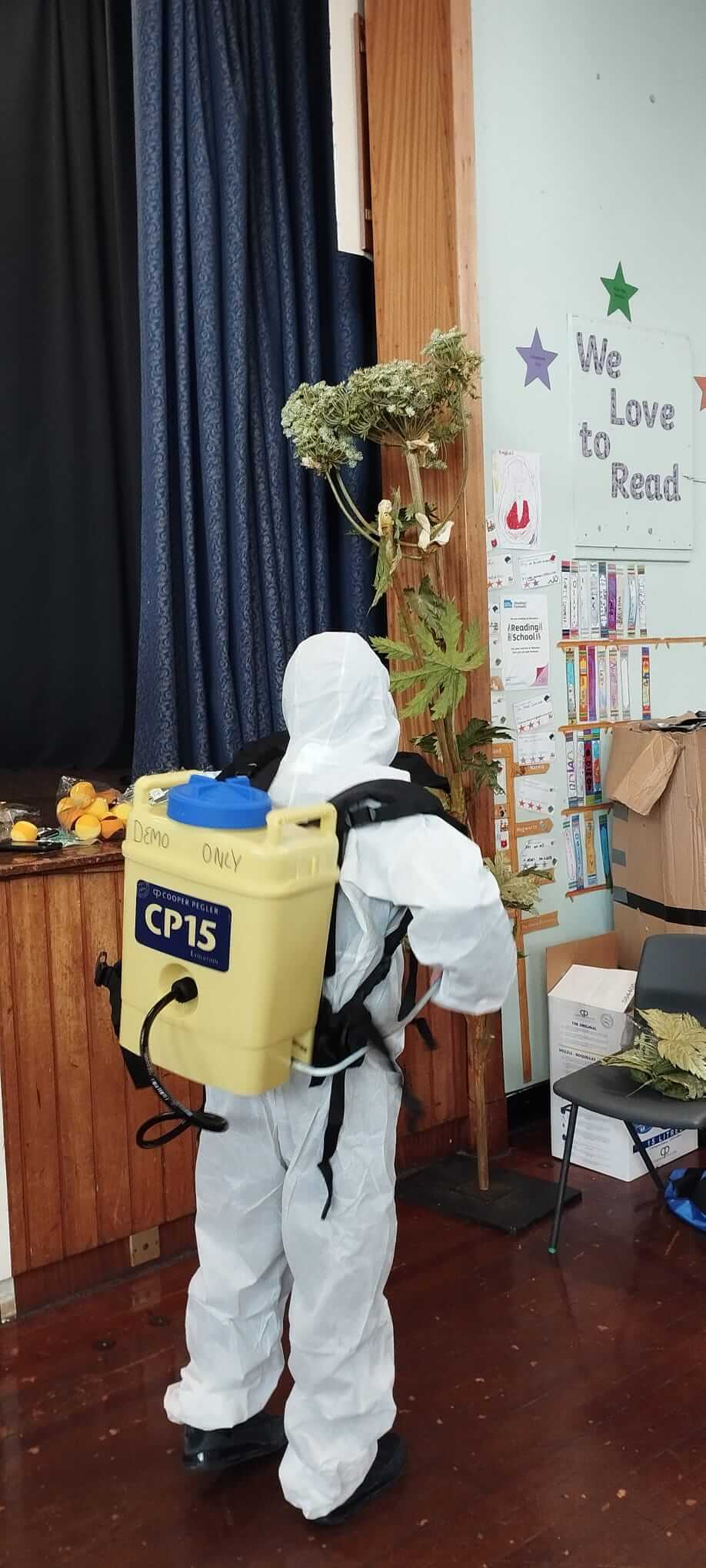
I think it’s all about showing the different areas of impact. For example, Japanese knotweed: it is usually easy to communicate with the landowner about the issues of that because there’s such legal ramifications. If they allow it to spread into a neighbour’s land, they could get a hefty fine and that’s a start for getting people on board.
Then you can talk about the impacts of what these species can do to a livestock field. People are often angry about ragwort on these fields, but invasive species can also have very significant impact too, spreading across huge areas of land.
The restoration project covers a wide catchment, so it’s not only helping one group of people, its right along the river from upstream to the very downstream. It’s a win for all in the whole area – environment, wildlife, community, river users, farmers and landowners.

So it sounds like there’s no one big solution for the river’s restoration, it’s lots and lots of smaller things working together? There are many established and proven techniques you’re already working with, what else is on the horizon?
We’re trialling a few new techniques. One is an acidification pilot: historic forestry practices have acidified some burns across the Bladnoch, to the point where fish can’t spawn there. We’re using crushed scallop shells to buffer the water and lift the pH, so those spawning grounds become viable again.
On the Annan, we’re also testing a biological control for Himalayan balsam – a rust fungus native to the same region as the plant. In places where balsam is so dense that hand-pulling would take all season, the aim is to establish this rust fungus so it suppresses the balsam and does the hard work for us.
We’ve got to try different methods – different sites need different things to work properly. And we want to minimise herbicide use as much as we can, because it’s not the nicest stuff to be using. So we’re always testing new approaches, and looking for practical, low-herbicide methods.
Are there visible, measurable improvements yet in this work – like species returning and habitats reverting to their natural state?
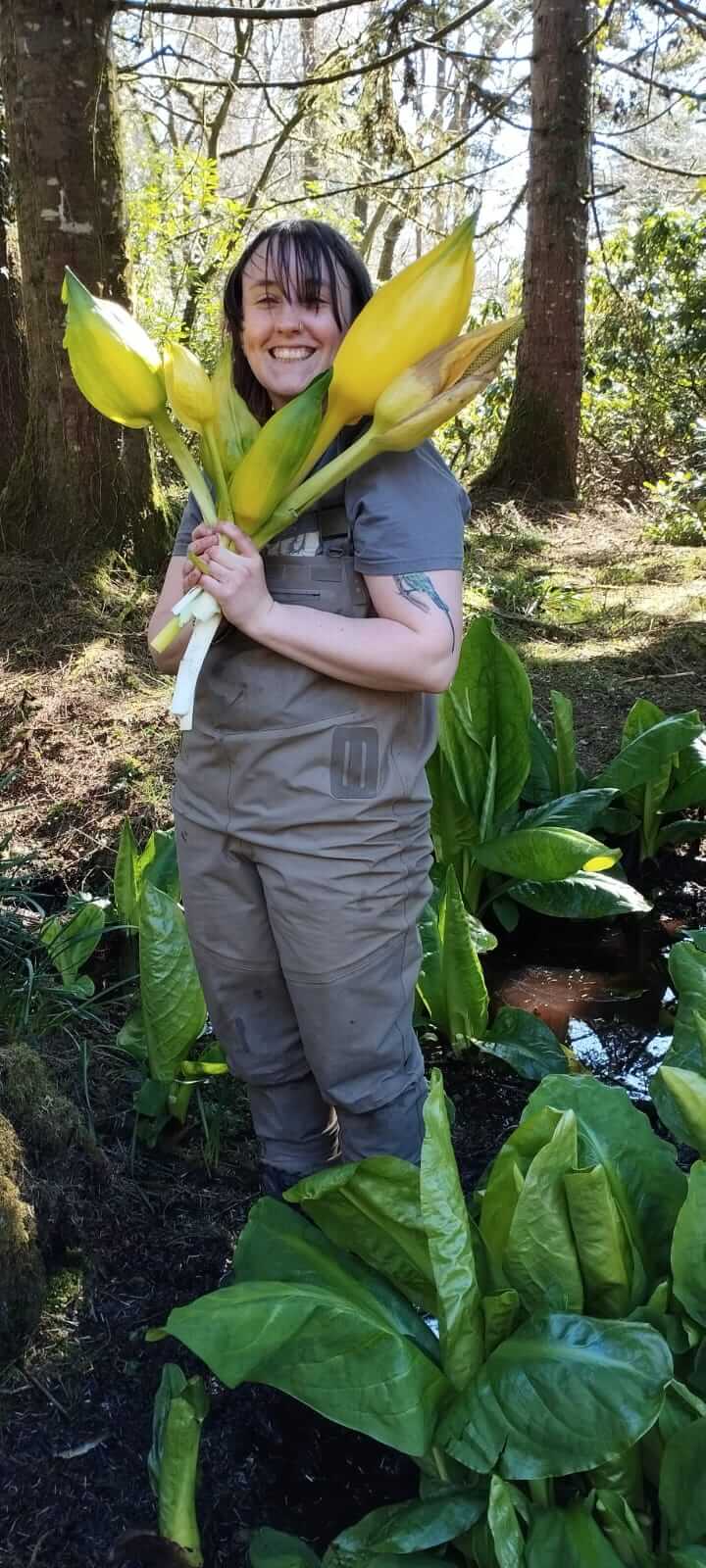
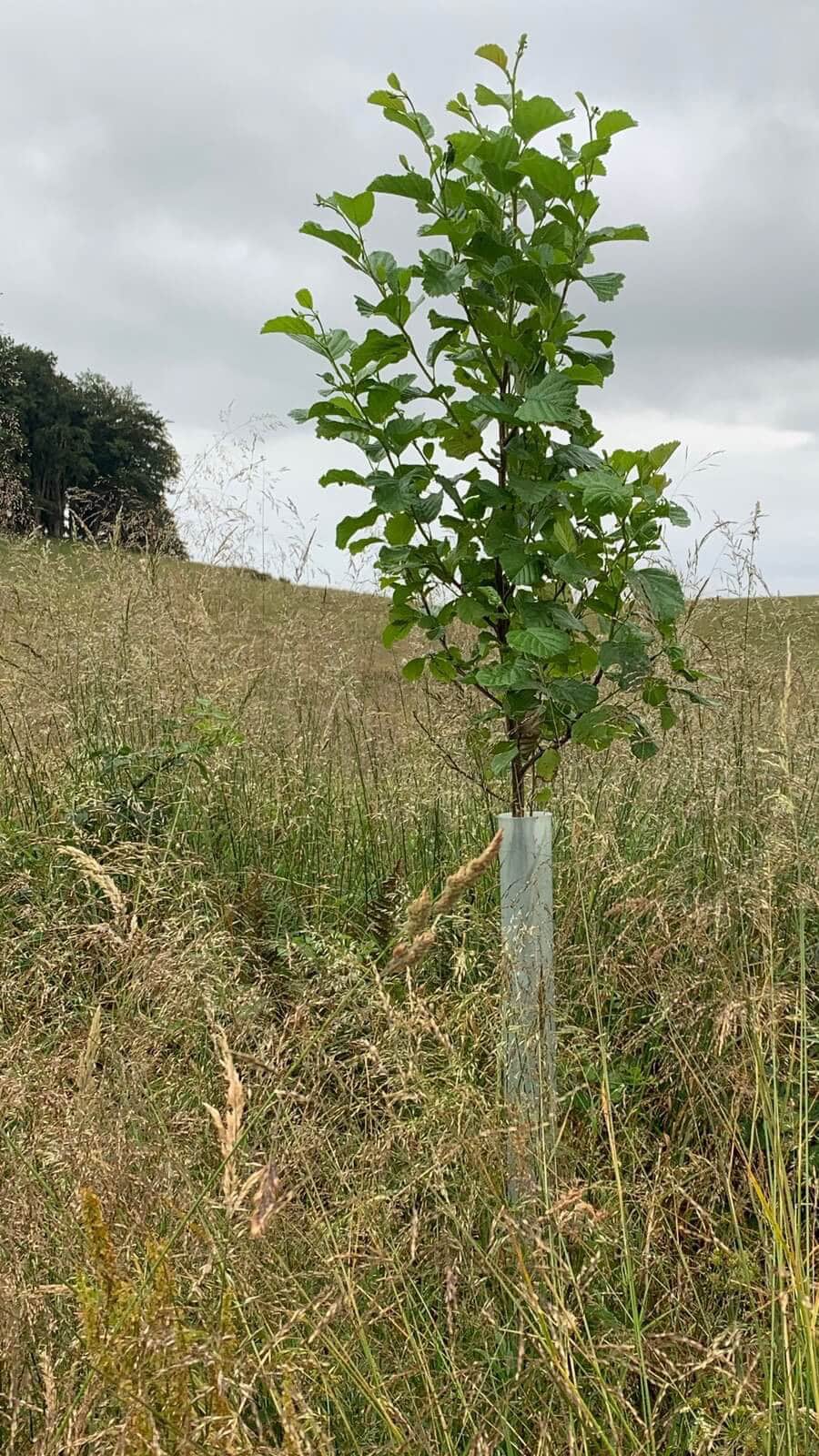
Definitely. On the invasive side, sites we’ve managed for five years have massively decreased their footprint. Skunk cabbage patches that were blanket-thick and smothering everything else out are basically down to the seed bank now – just little ones popping up that we manage each year.
That’s a huge win for wet woodland, which is a rare Scottish habitat with lots of specialist plants and animals. You can now see native ground flora reclaiming the space, which is absolutely lovely.
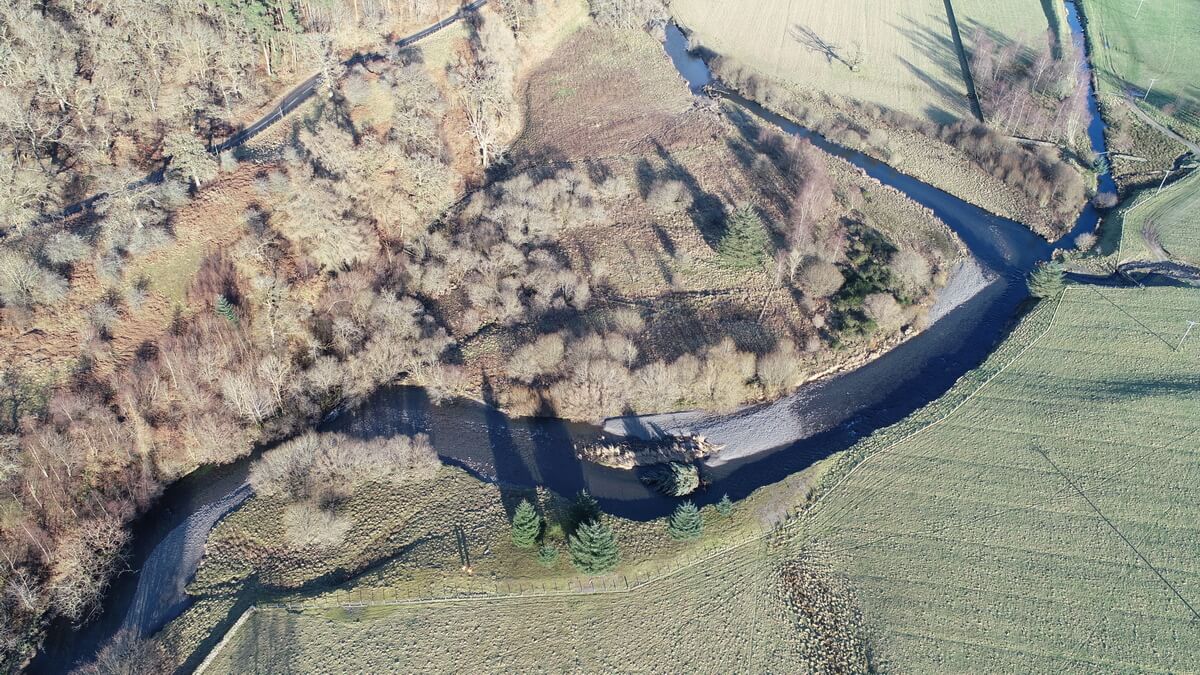
And on the restoration front, we re-meandered a burn this year along a historic paleo channel that had been straightened and dredged. Already you can see the system changing – a whole range of river habitats along that short stretch, creating refuges for invertebrates and fish. It’s very nice to go back and watch it shift month by month.
Will giving rivers space to spill onto plains and slowing them down with re-meandering have any effect on the increasing flooding risks in our towns we’ve been seeing over the years?
Yes – give the river more space and reconnect it to its floodplain and it holds more water, slows the flow, and cuts flood risk downstream. You also get far more habitat diversity, so a wide range of species benefit.
These species all have a niche, a role to play in their environment, which contribute to a thriving self-sustaining ecosystem.
Local communities feel those gains too – and it’s a lot cheaper than building big flood barriers – which try to fix the symptom not the cause.

One thing that’s clear is that with invasive control for instance, it’s not one quick fix – it’s long term maintenance, and unless this work keeps going, they could just all take over again.
Say you’ve managed a site for five plus years and then you just leave it – there may be seeds remaining from that invasive species that are just biding their time to pop up. It has to be continuously managed year on year until we’ve eradicated that kind of population. Even then you’re still going to have to monitor it to ensure the species does not re-establish from another source point.
So it’s constant work – something that generations upon generations are going to have to deal with because it’s so hard actually eradicate them completely now they’re here.
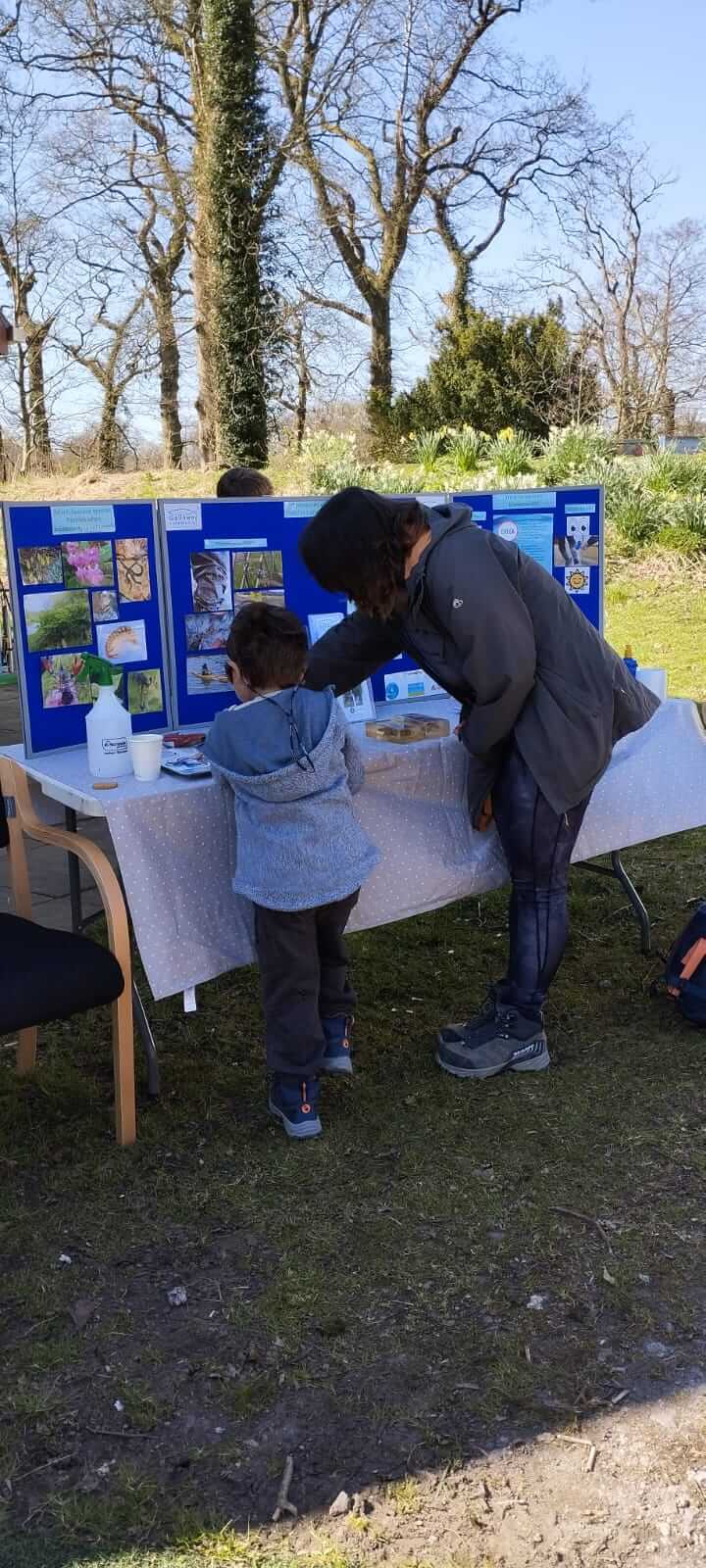
This is why a big part of what we do is educational outreach, making sure the upcoming generations are aware and onboard.

Can I ask some questions about you now? What’s your favourite spot along the river Annan and why?
Okay, so I think my favourite spot is one of our restoration sites: Bodesbeck. That’s one of the larger sites that has already breached an embankment and started flooding out into all kinds of different areas.
It’s partially flooded a farmer’s field that he now doesn’t use, but he doesn’t really mind that much as he is quite interested in seeing how the river is working.
When I go to this site, I can see the diversity and dynamism it’s created. I can see wetland plants colonising where there would just have been rye grass not that long ago.
You can also see wood and sediment that’s been deposited and swept away to create new awesome areas that many different species will benefit from. It’s a place that truly shows the power and capabilities of a river when human impacts are removed and I think it is breathtaking. I love it there.
Have you had a memorable wildlife encounter near the river, what’s the one thing that stands out for you?
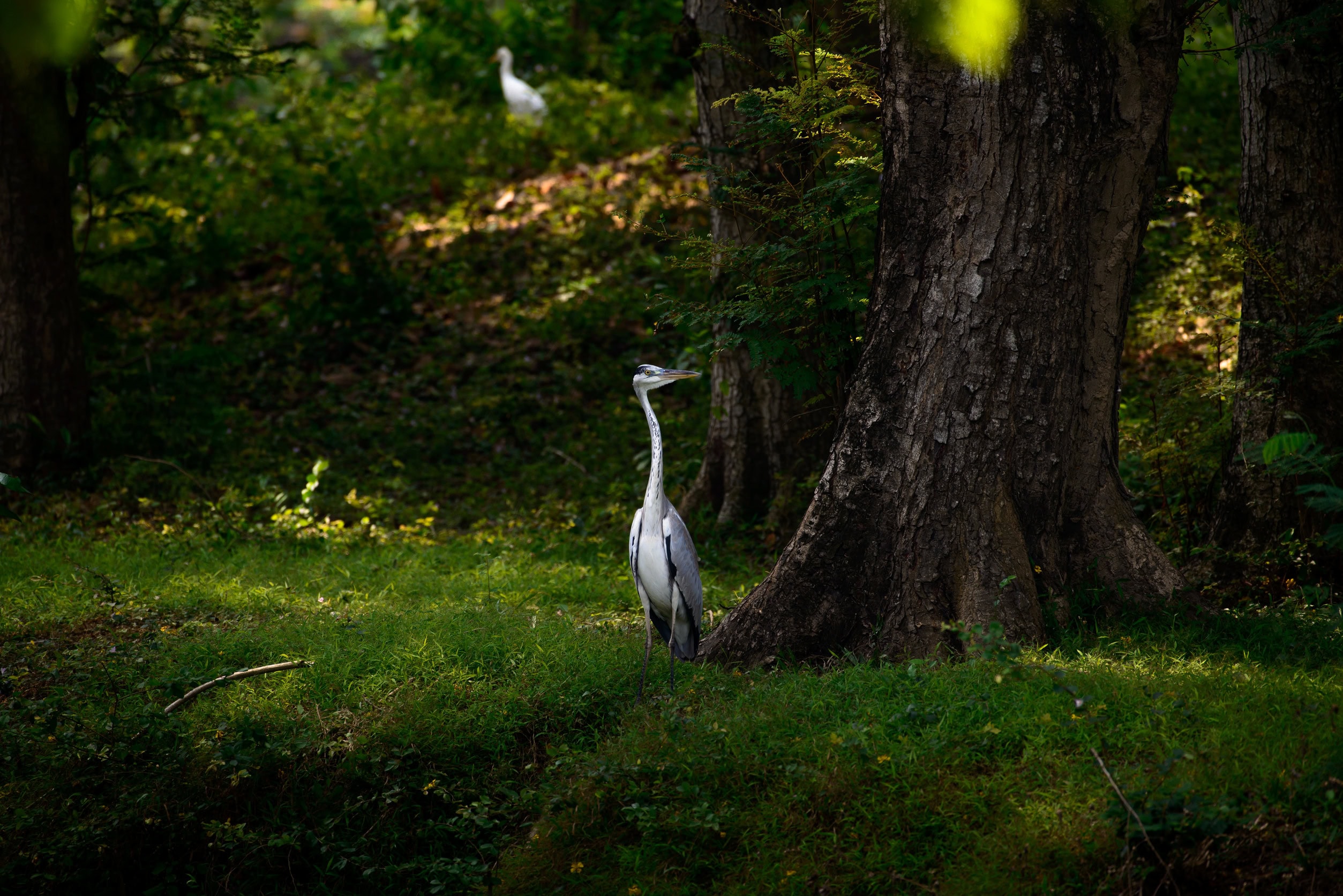
I think on the river Annan one thing really stands out to me is that during a community school talk that we were having I was taking a moment to watch the river. I spotted a heron that was hunting on a huge boulder. I got to see a treat when it managed to grab a huge trout from the water and swallow it down in seconds. I felt very blessed to see it’s hunting practice.
One of my colleagues Luke has seen some otters on a site and every time I go there too I always end up watching for them, but I’ve still not seen one yet there. But I know that they’re there so I’m going to keep watching until I have that moment too. I’ve still never seen an otter which I find very aggravating!
Probably some of my best wildlife encounters are just based on me sitting by the river and being very quiet. Down in Cambridgeshire there was a canal with intake from a burn, and I wasn’t really expecting to see much, so I was just reading my book quite happily.
Then a whole family of water voles popped out and started munching at the reeds and the rushes just underneath me. Because I was so still and quiet they didn’t even clock that I was there, so it was a real treat to see this.
They are such a rare species now: they’re not really doing very well due to the mink unfortunately. But there they were, just happily munching away.
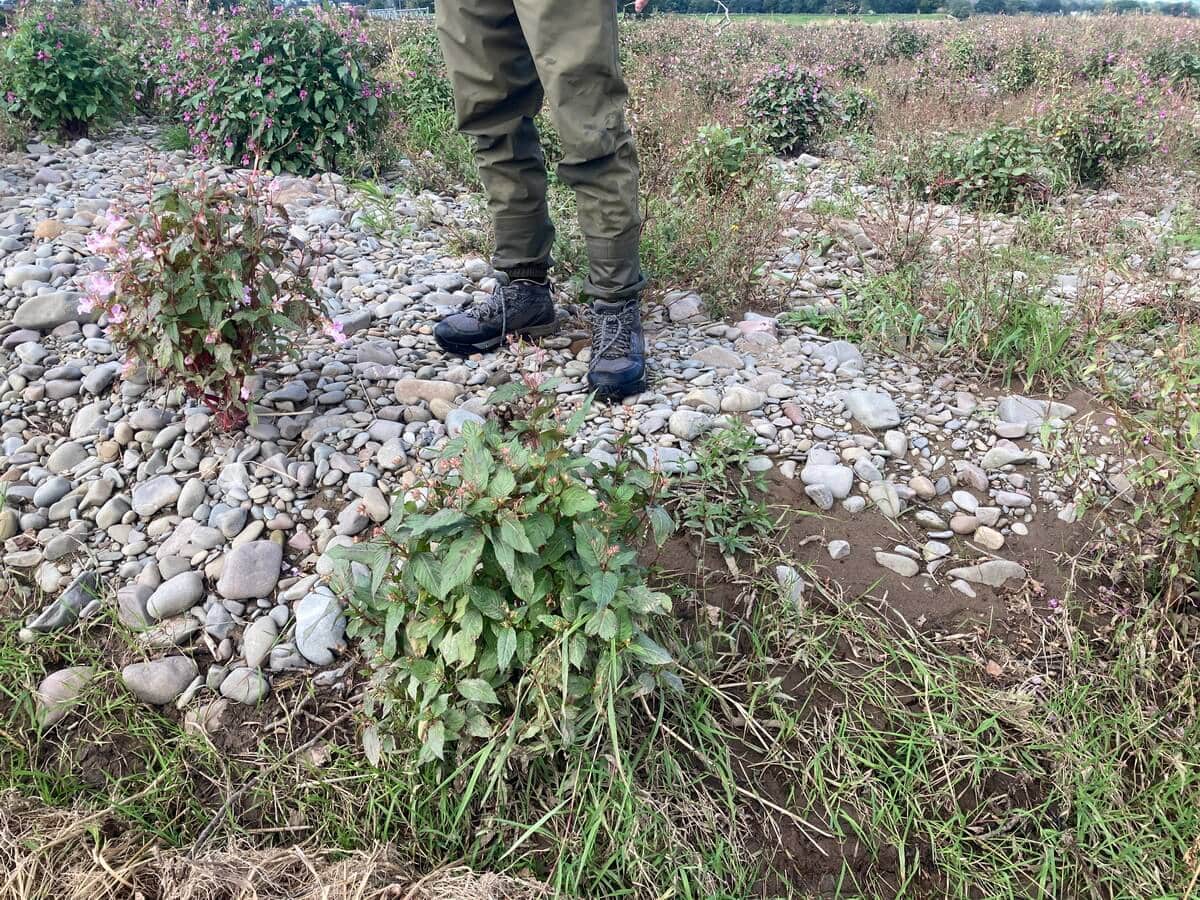
There are so many encounters to be honest, and I do find some of the smaller things fascinating. There are very specialised species of spiders and beetles that only survive on sidebars along the river, areas with deposits of stones, sediment and gravel.
This is a habitat that’s changeable and dynamic, so I think it’s very impressive that such small invertebrates choose to survive in these harsh conditions that rely on a river doing its natural processes.
You take those seemingly unimportant areas away and these species are just all going to go aren’t they?
Exactly, you think – ah, there’s just some gravel and rocks on the side of the river and when we’ve historically dredged the river we’ve completely got rid of that. Not allowing the river to do its thing naturally might be completely ruining the potential of specialised species of invertebrates still surviving there.
I think as humans we love compartmentalising nature and making it into nice, neat squares and straight lines and it shouldn’t work like that. These areas are a lot more beautiful and have a lot more potential when we let them go wild.
Q: So what is the single most rewarding part of being involved with GRT’s work so far?
I guess it’s all been really rewarding but I think the best part is knowing that the work I do on this project can be something that I go back and see what improvements have happened throughout my lifetime.
I intend to keep visiting kind of restoration sites that I’ve helped build until I’m eventually ancient and bed bound!
And what’s one big lesson you’ve learned since working there?
One lesson would definitely be that people are a lot more open to the idea of river restoration than I initially thought.
Landowners that have been really receptive to the idea, which came across as a bit of a surprise to me at first, because you think you’re going to have to battle people a lot more and contend with established outlooks on land management.
But I think people’s attitudes are changing. And yeah, it was really a nice surprise to find that.
Do you think local community is going to benefit a lot out of this too? What are your hopes in engaging with them?
With the community events I hope we can hear all different viewpoints on the project. And I’m also hoping that they’re going to be keen to engage with volunteering days in the future for example with the many trees that we intend to plant. So that would be incredibly beneficial.
I think just listening to how important it is to them to have some nature space that isn’t just a well mown grassy park is something I hope for.
Having a good shot of nature in your life is a massive mental boost, I would say.
Absolutely, yeah. I mean, I’m sure it’s saved my life multiple times. Throughout when I’ve had hard times in my life, it’s going out into nature and just having a breath and seeing that the natural world is going on around me and maybe problems aren’t as big as you think they are.
It’s just really calming and beautiful. And I think that during Covid, probably the only upside of it was people started reconnecting with nature more. I am sure people would really benefit physically and mentally if they had better rebalanced natural spaces close by.
I probably can’t imagine you not working in conservation after all that, but if you couldn’t what do you think you’d be doing instead?
Yeah, I think I would be mad not to work in this field, but if I couldn’t choose it I think I’d probably be working at an animal shelter – you know those people who rehabilitate bats and wild animals and birds? I’m a bit obsessed by that. I would absolutely love to do that if I had a lot more time – and if I wasn’t so afraid of blood too!
When you’re not at work, what do you spend your time on? Let me guess – it involves quite a bit of nature?
I love hiking and rambling when it’s sunny out, to the point where I broke my ankle last year doing it. I’ll also kind of take different identification guides, wildlife ID stuff on a walk so I can spend kind of numerous hours trying to ID an obscure plant I find.
But I also love doing watercolours, reading and obsessing over my cat, Olive, when the weather’s not as great. I’ve got all the makings of a crazy old cat lady in me!
Thank you, Heather! It’s been fascinating talking to you. Finally, do you have a personal quote or inspiration that’s stuck with you to share?
I’m not really big on quotes, but there is one I do go back to from Socrates “I know that I know nothing” which I kind of take as ensuring that I’m always open to learning and never thinking that I know everything.
Never be smug, be humble. I’ve always got more stuff to learn from different viewpoints, and I’m going to try and keep learning!