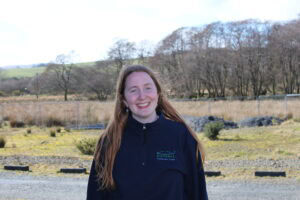


We sat down with Rhona Garry to find out who she is, what brought her to GRT, and what she’s hoping to learn during her six-month internship.
Hello Rhona, can you introduce yourself – and how did you end up here at the GRT?
My name’s Rhona Garry. I grew up in Aberdeenshire, Deeside specifically. I know I don’t necessarily sound Scottish – my accent throws a lot of people off!
I’m half American, half Scottish, but I’ve grown up pretty much my whole life in Scotland, though from quite an international background.
How I came to GRT – I’ve had a few different seasonal jobs through summers, so come September-October time, in the past couple of years I start looking for jobs again.
Last winter I saw an internship that GRT had working on their invasive species project. I applied for that, had an interview but I didn’t get the post – because it’s actually the one that Heather started off with GRT in!
They struck me as a really nice team who understood what having interns meant in terms of providing training and support and giving interesting opportunities to gain experience.
When I was finishing up my job this past season, I was keeping an eye out but also considering just doing some different residential volunteering over the winter.
Then I saw the GRT’s river restoration internship come up and that job title – “river restoration” – really caught my attention.
Because I’d had such a good experience with GRT before through the interview process, I thought why not, I’ll give it another try and see what happens. And here I am!
What draws you to ecology and conservation in the first place? Was there a moment or experience that made you think “this is what I want to do”?
It’s one of those questions that gets asked sometimes and I do try to think about when it was! It really all started when I was in school and beginning to choose what I might want to go to university for.
For a good little while, I thought about going into nursing because I’d basically always thought to myself that I either wanted to work with people and or animals. I knew that I didn’t want to be at a desk everyday. I really wanted to be outside or working with people a lot.
The more I considered nursing, I thought “I don’t think I really want to stick needles in people!” So I was really racking my brain about what to do. I thought to myself instead, what is it that I already do that I really enjoy?
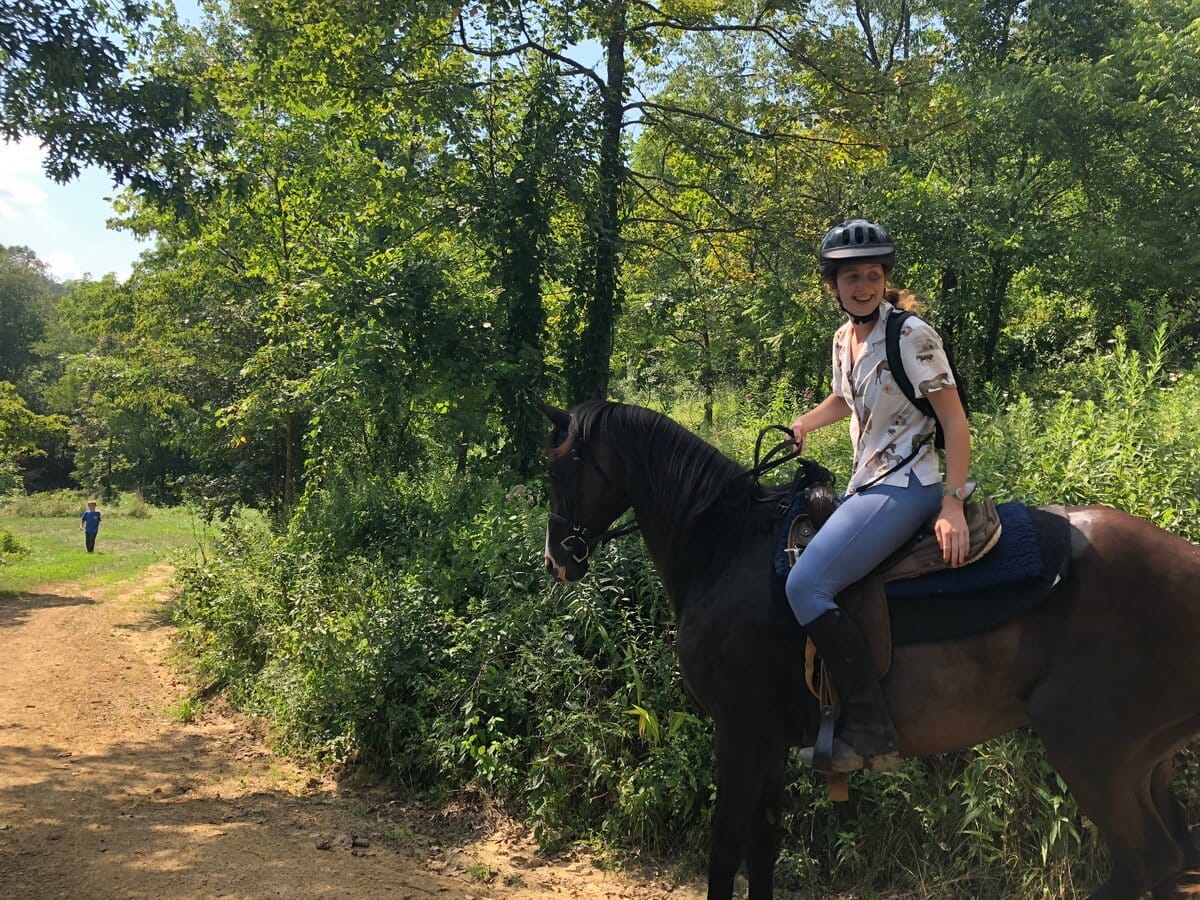
Everything that came to mind was all the things I did outside. I was a really keen horse rider, so I spent most of my weekends just outside all the time. I was involved in the environmental club at my school and really loved doing that.
My parents have always been big on outdoor activities – even when you were a teenager not wanting to go out on a family walk, that was just the go-to in my house. When you did something as a family, you went out for a walk!
The more I thought about what I already liked to do, it was all that outdoors stuff. What really helped give me direction was during last year of school – my biology class went away to Kindrogan, a Field Studies Council site at the time. We had a two-day field trip doing ecology-related stuff. We took macroinvertebrate samples, did water sampling, listened to bat calls.
It opened my world that there were jobs I could do like that. That really helped give me some direction when I started looking at university courses, and from there I just learned more and more.
Did you do any other volunteering or practical work after that?
My last year of university was during COVID, so I finished feeling like I had a real lack of practical skills and experience because of the restrictions then.
I studied environmental science and geography at university, which doesn’t lead quite into a well-defined job title like for instance a teaching degree might. I didn’t really know what jobs were possible, so I decided to focus on getting practical experience.
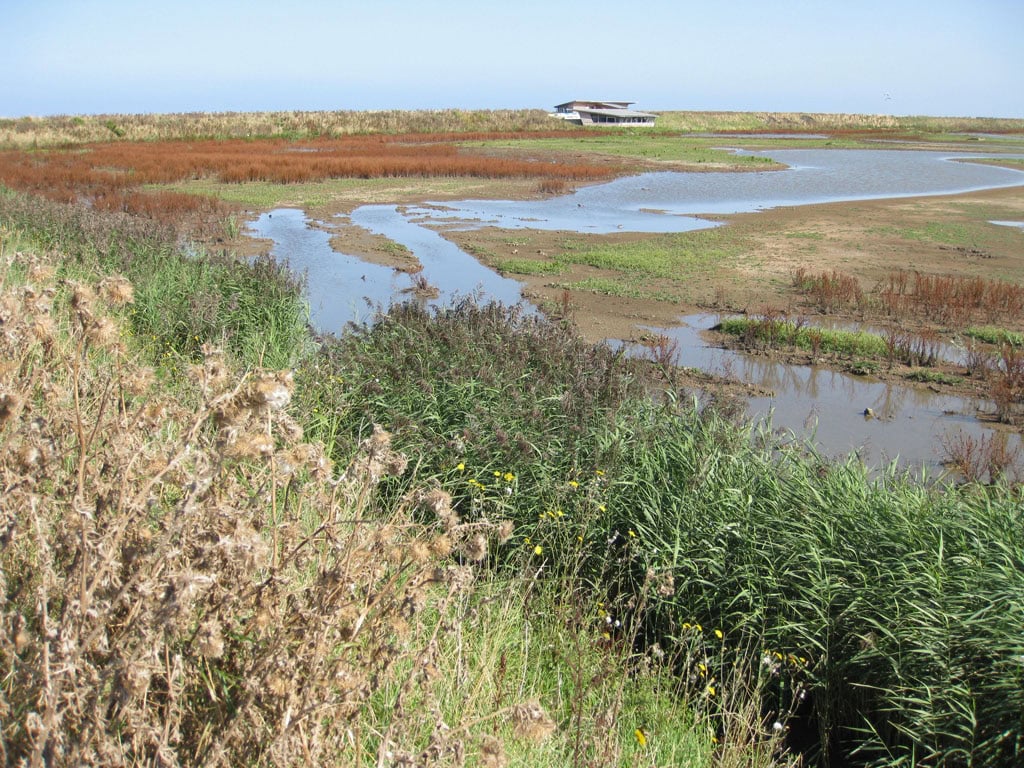
I was a residential volunteer with RSPB down at Titchwell Reserve in Norfolk – I was there for three months and had an absolutely brilliant experience.
The assistant warden I worked with every day was just fantastic at teaching and helping me learn things. He never assumed I already knew how to do something (or that I had any idea of what bird I was looking at), and was so open to letting me have a go and showing me how to do things. I got along really well with him and was incredibly grateful for the positive experience I had there, which his mentorship contributed to enormously.
Volunteering was a really important experience for me, both for learning and skill development, but also just to figure out what I was interested in doing.
THE INTERNSHIP – HOPES & EARLY DAYS
You’ve got this internship for six months – what are you hoping to get out of it? Is this something you’d be interested in following as a career path?
Yes, I’ve already been working in some different conservation and outdoor-related jobs, but this offered a different experience I haven’t had the opportunity to get in other jobs.
A lot of my other jobs have been really visitor-facing, public engagement-focused, quite practical-based.
This is practical but in a slightly different way – it’s a lot of project management and planning and that can be a really big part of roles like a project officer.
I thought it would be useful experience to add, so when I continue to look for jobs I have this experience and skills that I can show from this internship. There seems to be more projects focusing on restoration, so I definitely thought this internship experience combined with my previous jobs and skills would fit well together to help me in the future.
I was also intrigued by river restoration – I’d started to be introduced to it a bit that through some other jobs, and I thought it would be a fascinating area to learn a lot more about.
How has the first month been for you?
I’ve already been exposed to some different aspects of starting a river restoration project. I previously did some work with a beaver reintroduction program, which introduced me to some elements of the importance of wetlands and river ecosystems, but it’s been really interesting focusing in on river habitats more.
There’s a lot of terminology that’s quite river-specific that I’ve never been exposed to before – things like “what is a riffle?” I’m on a training course now that’s helping me understand river systems a lot more, so that’s been very interesting.
I’m really excited for what else is to come. Being able to get stuck into tasks I can do myself and be part of the project is exciting.
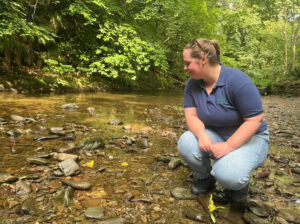
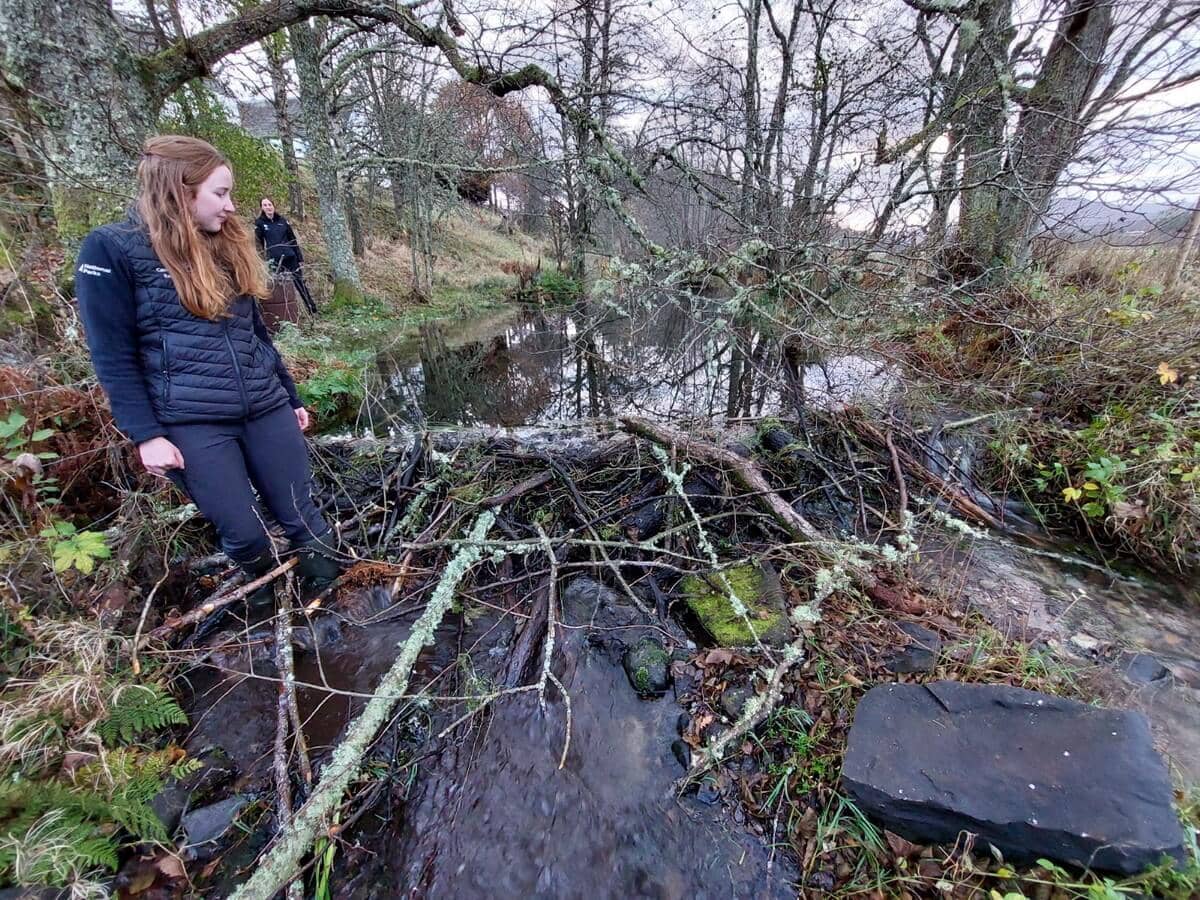
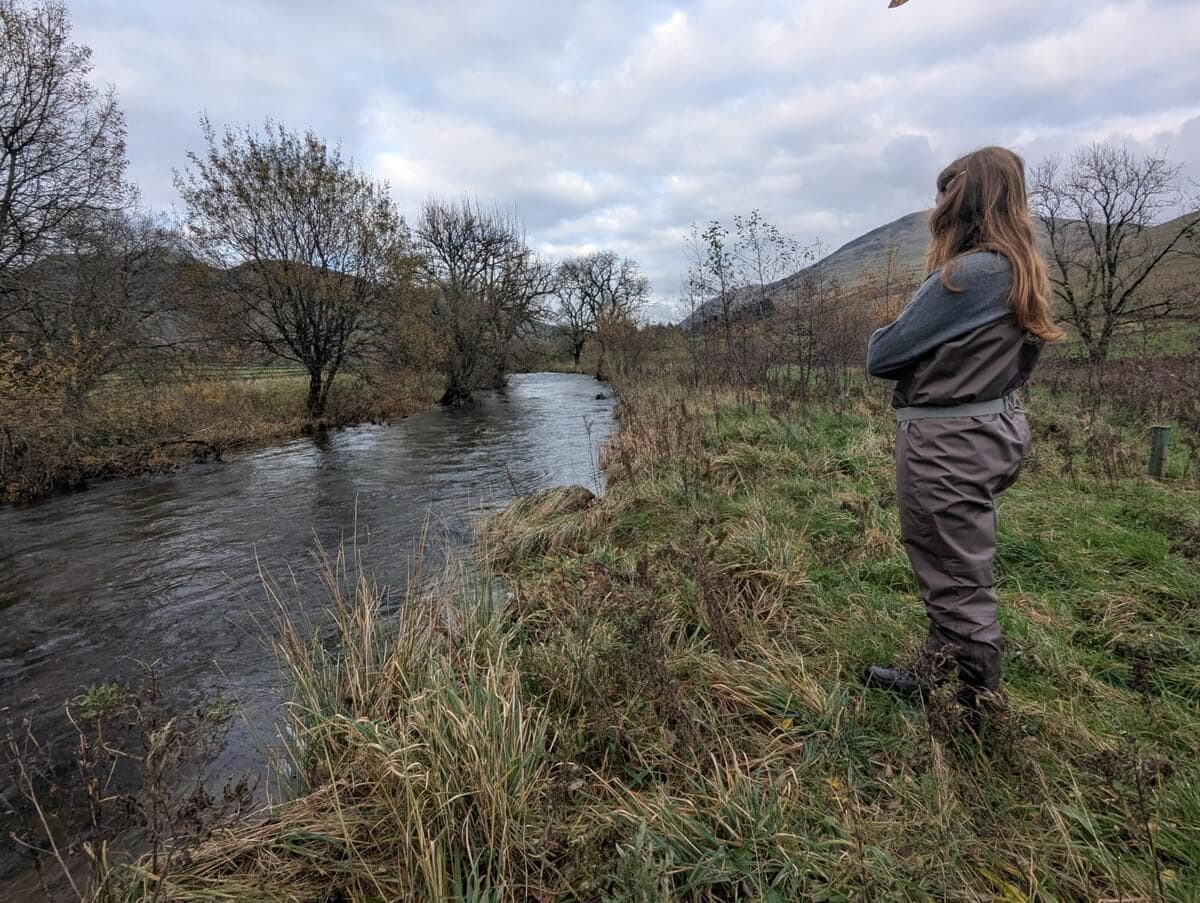
But what really helped was about a week ago, I went out with Heather to two of the River Annan sites that they’ve already identified and did some concept designs for. I’d seen the maps and summaries of what the plans are, but hadn’t seen the site in-person before.
Being able to go out there in person and visualise what the plans were and how it will change the landscape was really exciting – to actually see what that might look like and what it will do on site versus just looking at a map.
Although you’re learning how the project works right now, can you see you’ll be able to find which aspects you are most interested in and help drive them?
The way that GRT has their internships set up, they do try and leave space for if there are certain things that interest you or that you want to learn more about. It’s up you to say if you want to learn more about something or if that’s not a part you’re interested in.
Obviously it’s really hard right at the beginning to identify what tasks need done when you’re just learning the ropes. This first month has mostly been a case of shadowing, absorbing a lot of information so I understand what the expectations are for the work they want produced.
I’m also finding out what actually needs done on the project and where I can fit into that – both in terms of what skills I already have and what I can learn by getting involved.
There’s some site identification tasks they want done in the lower catchment, which I think will be a big part of what I keep doing.
A lot of it will be working with Heather and Emilie, and also getting a chance to go out with some of the other GRT staff on different projects just to get a better idea of everything the organization is working on. It all helps to get a greater understanding of river ecosystems and the purpose behind it.
PURPOSE & VALUES
Talking about purpose, if someone asked you “why does this matter, does it make a difference?” – how would you answer?
It certainly can make a difference. I think it’s exciting being on this side of things. My previous jobs have been working with national parks and nature reserves.
When you have a system that maybe hasn’t been touched a huge amount – though it’s difficult to say anything in the United Kingdom hasn’t been touched because we have centuries of human manipulation and management of land, which can be beneficial as well as negative – I’ve worked in places where it’s about trying to maintain and keep the habitats that are there because they’re already beautiful examples of spaces that host really important biodiversity.
But it’s exciting being on the other side where it’s about trying to make systems and habitats better.
I’ve been surrounded by climate change as an issue for as long as I can remember, from school and onwards. Personally, it’s hugely important and I try in my own actions every day to do things that make an impact, however small. It’s exciting being able to do that also in your workplace.
When you’re surrounded by those conversations from a young age, it makes you a lot more open to already thinking about it. That’s why I think it’s so important to always have conversations with people about what this means and why restoration is getting done. It’s not just because people want to march in and fix things.
There’s always a danger of people acting a little bit like Gods – we’re really good at that, humans. We always want to have our hands involved and make change. We’ve already played God at lots of things in nature, and we still do in some aspects.
Even restoration is doing that a little bit, but trying to do it for a good thing. It’s difficult to know when to step in and when to leave things be, but it is really important that we look at what has already been done and see if it’s beneficial or not, and if there’s a way we can help things along.
Thinking about Climate Change on a global scale can be daunting can’t it? But actually, if you give nature the tools to fix things on a smaller, local level, you are making a difference right on your doorstep.
I really understand that. I’ll be perfectly honest – I really try and avoid thinking too much about climate change and global warming.
I honestly avoid reading a lot of news about that because it can be really overwhelming.
So I do just try and focus on the things that I really love – just getting outside and seeing wildlife and spotting things. I love the fascination of learning about things you don’t understand, why an animal does the things it does, how things are interconnected, how one thing helps another thing.
That’s my focus: on the things I love and how I can help them.
EDUCATIONAL OUTREACH & COMMUNICATION
You’ve clearly got a natural ability to communicate your passion for what you’re doing. A big thing about GRT is educational outreach – is that something that interests you?
Absolutely. Environmental education is probably my biggest passion, and it’s certainly the thing I enjoy the most. I’d say I come from more of an environmental education background.
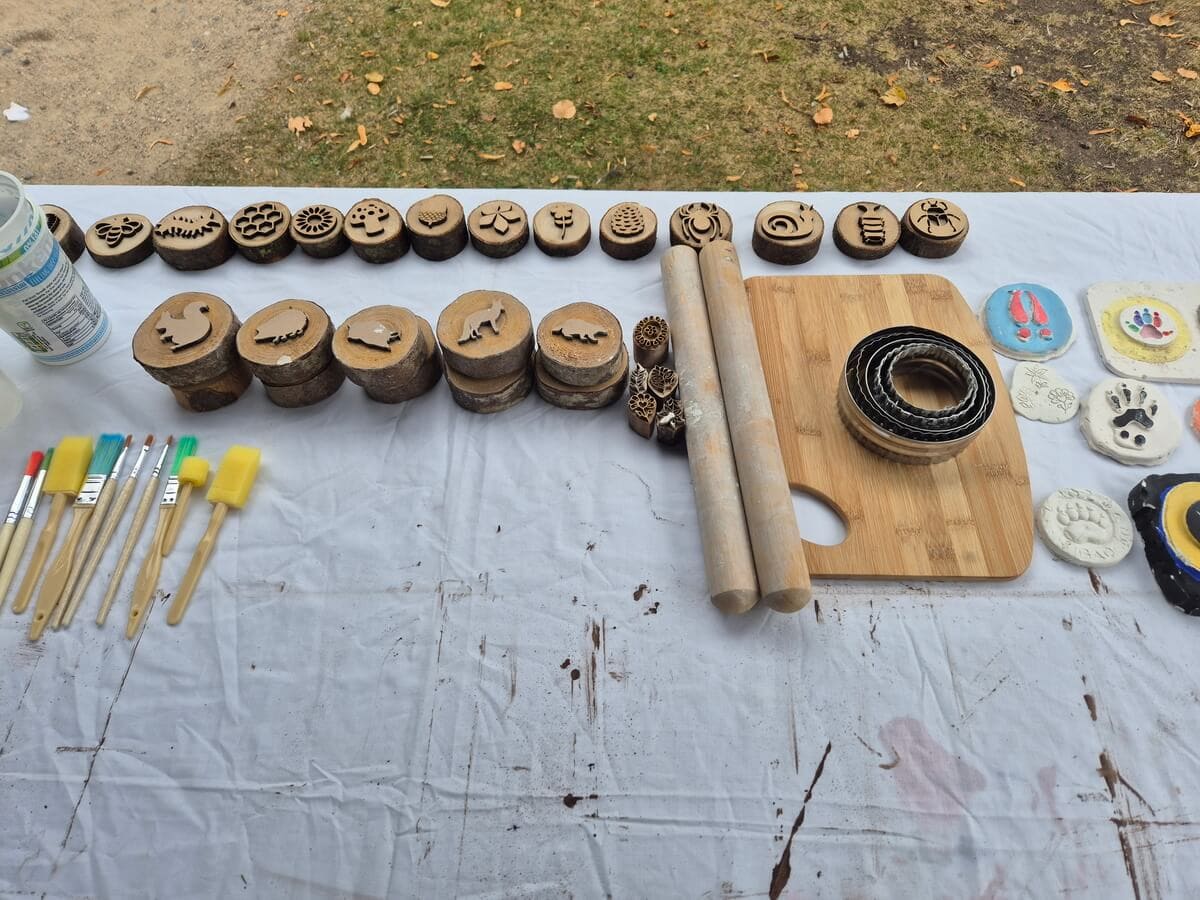
I’ve worked with kids outdoors in a lot of different jobs – I worked at an outdoor education school, at an outdoor-based summer camp to name a couple. In my job as a nature reserve officer previously, I ran a lot of events on the reserve, both for kids and adults, just getting out there and learning more about what’s around them.
Environmental education is a huge passion of mine. I love working with people outdoors and sharing my own love for things, but also learning what really connects with them and what they find fascinating.
There’s just a freedom to being outside and a fascination and enchantment with it which I think is really important that people keep.


Teaching kids is one thing, but when it comes to landowners, business owners, the general community, is that a challenge to show the importance of this work?
It’s interesting because I think there’s a lot of chat sometimes about landowners and businesses – that they’re not interested or it’s too difficult for them to get involved.
But a lot of the time when you talk to people, they often already have a really big interest, sometimes personally in their own lives.
They already like to go hiking or take their kids out swimming. So they already have points of connection – sometimes they just don’t see how maybe their business life connects with outdoors or nature, and sometimes it’s just helping them see where those connections are and helping them find places they can contribute.
Sometimes it’s really difficult when you’re really used to one way of doing things to understand how you can help, even if it’s small things.
It rarely is that people are hugely opposed to it. With landowners, they already understand that element of stewardship – they want the best for their land already. It’s trying to help find points that help them connect with the nature conservation side, to see how their goals align with also helping nature along.
A lot of the time they’re already there – then you can work together on what actions can be done.
Scotland’s outdoor access laws are unique in the UK. When people know that nature is their space too, do you think that sense of ownership makes them want to protect it?
Definitely. It’s interesting because in my previous job as a nature reserve officer, a lot of it was talking to people, specifically about the Scottish Outdoor Access Code. It was a huge part of previous jobs.
The vast majority of people visiting are really fantastic – they care about it just as much, they’re really fascinated, just learning about what’s there.
Unfortunately, we do have a small minority who come and can cause damage or have fires in places they shouldn’t. It’s trying to have a conversation with them about the impacts their actions can have and making that as much as possible an educational moment.
They enjoy those spaces, but it’s about talking to them about how to make sure we can continue enjoying those spaces and that other people can also enjoy them at the same time, and that we leave those places as brilliant as they were before we were there.
The Scottish Outdoor Access Code is a really amazing piece of work that allows people to access space in Scotland. It’s really unique – internationally, lots of people are envious of it in some aspects.
Making sure people have access to the outdoors is really important.

PERSONAL LIFE & INSPIRATION
Outside of work what other interest do you have? You’ve mentioned horse riding – anything that people would be surprised about?
It’s always difficult in the winter with some more outdoorsy things. I’m a big basketball player – I’ve played basketball my whole life. It’s really important to me, so I still try and keep up with that and play with the local club.
I’m a really avid reader. I’m reading books constantly, not necessarily always related to nature – some of them are, some aren’t.
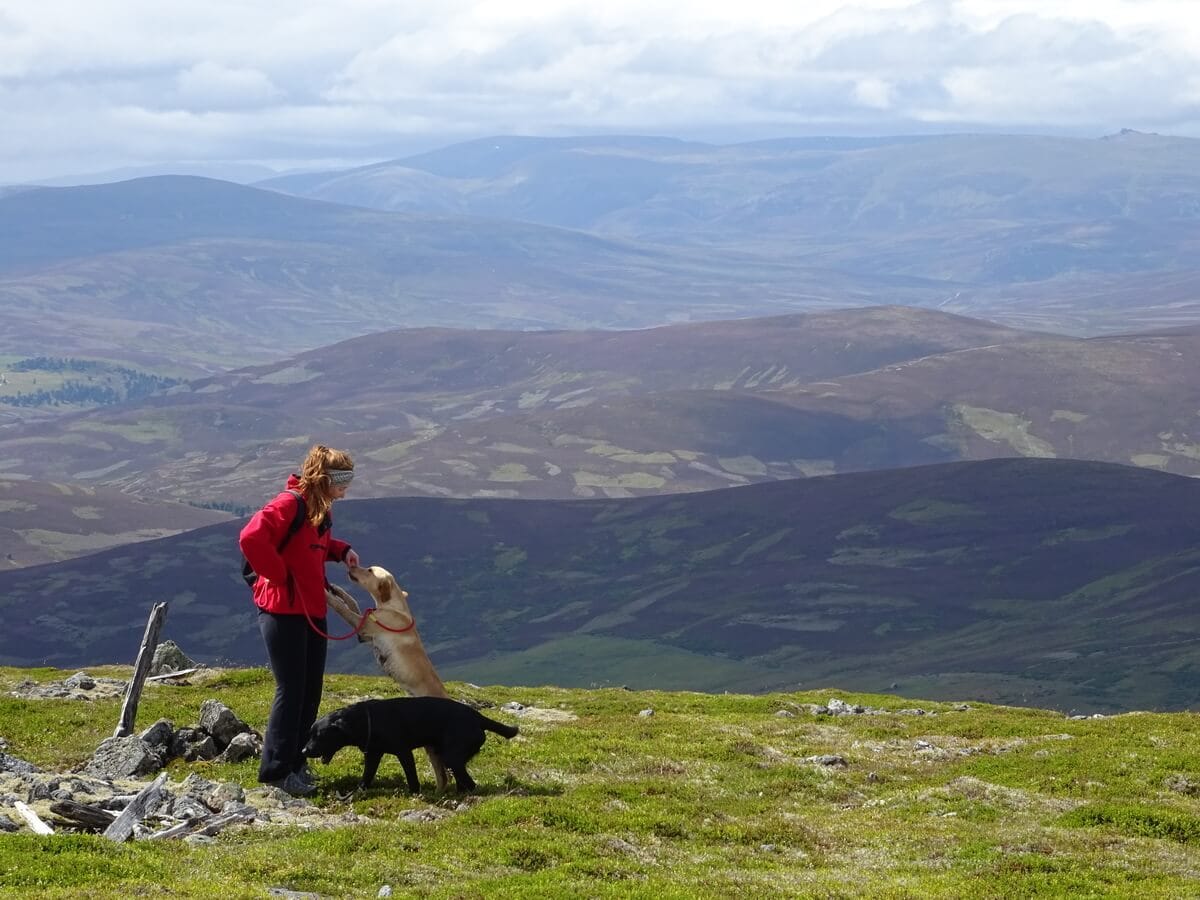
I love animals. I have two dogs at home. I don’t ride horses as often as I used to, but I grew up riding out on hacks, out on trail rides, so for a long time that was what really helped me connect with the outdoors – just sitting on the back of a horse and plodding through the woods. Not always plodding – sometimes going very fast!
My family’s really important to me as well, so going to visit them and going out on walks. And I love gardening.
Your family’s been inspirational. Is there anybody else – real, fictional, famous, or local – that’s inspired your interest?
I’d say I’m not a very hero-inclined person, to be honest. But there are a few people or things that come to mind.
Certainly the people I’ve worked with have always been a massive source of inspiration and knowledge.
I’ve worked with some really incredible people, some of which have also helped guide me, giving advice, or just by showing their own passion for a subject. It always gets me hooked to learn more when I’m around knowledgeable and passionate people.
I’ve had quite a few people I’ve worked with – from the assistant warden I mentioned before to other rangers – who have just been fantastic.
I’ve worked with some really interesting and passionate people, which is also why I love working in conservation.
As a kid, I loved watching Steve Backshall and Deadly 60. Still think it’s cool now, and have often showed it to kids I’ve worked with over the years. I also really love travel shows by Simon Reeve. I’ve gone and watched two of his different theatre shows. His first one that I went to when I was at university really blew me away.
There are a lot of different people who’ve impacted me, so I really couldn’t say that there’s one inspiration or hero.


WILDLIFE ENCOUNTERS & FAVOURITE SPOTS
Have you had any memorable wildlife encounters – not just now, but in your life – something that stuck with you?
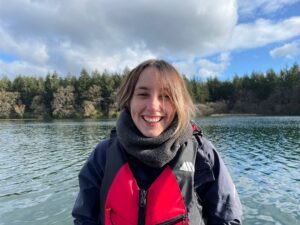
I think of all these little moments that build together – finding salamander eggs in a stream when I worked in the U.S., kids picking up crawdads, seeing orcas while I was doing a seabird count this last summer, every time I see a heron fly over.
It’s all these little moments where you’re reminded that wildlife and animals are doing their life around you and that you’re also part of it. It’s all these little moments that add up together that fascinate me and make me love being outside all the more.
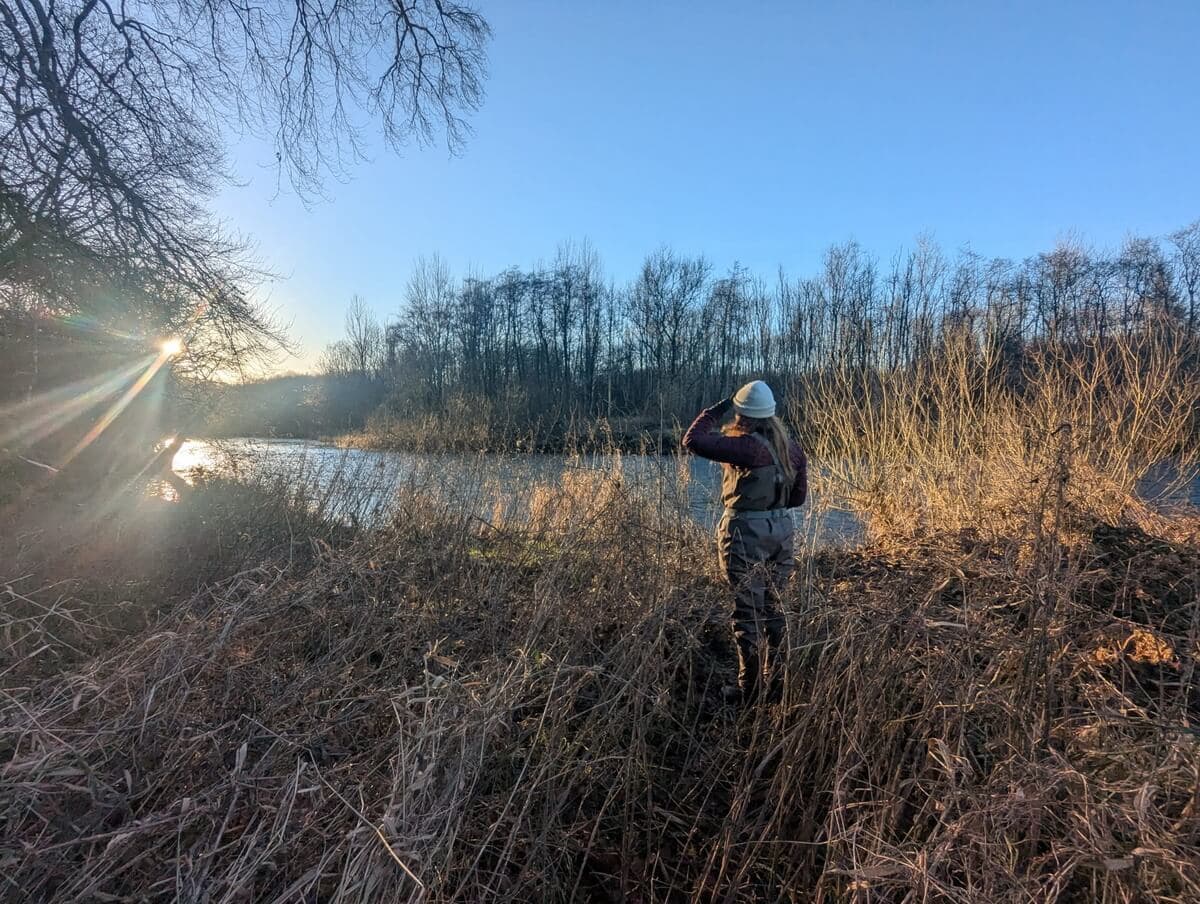
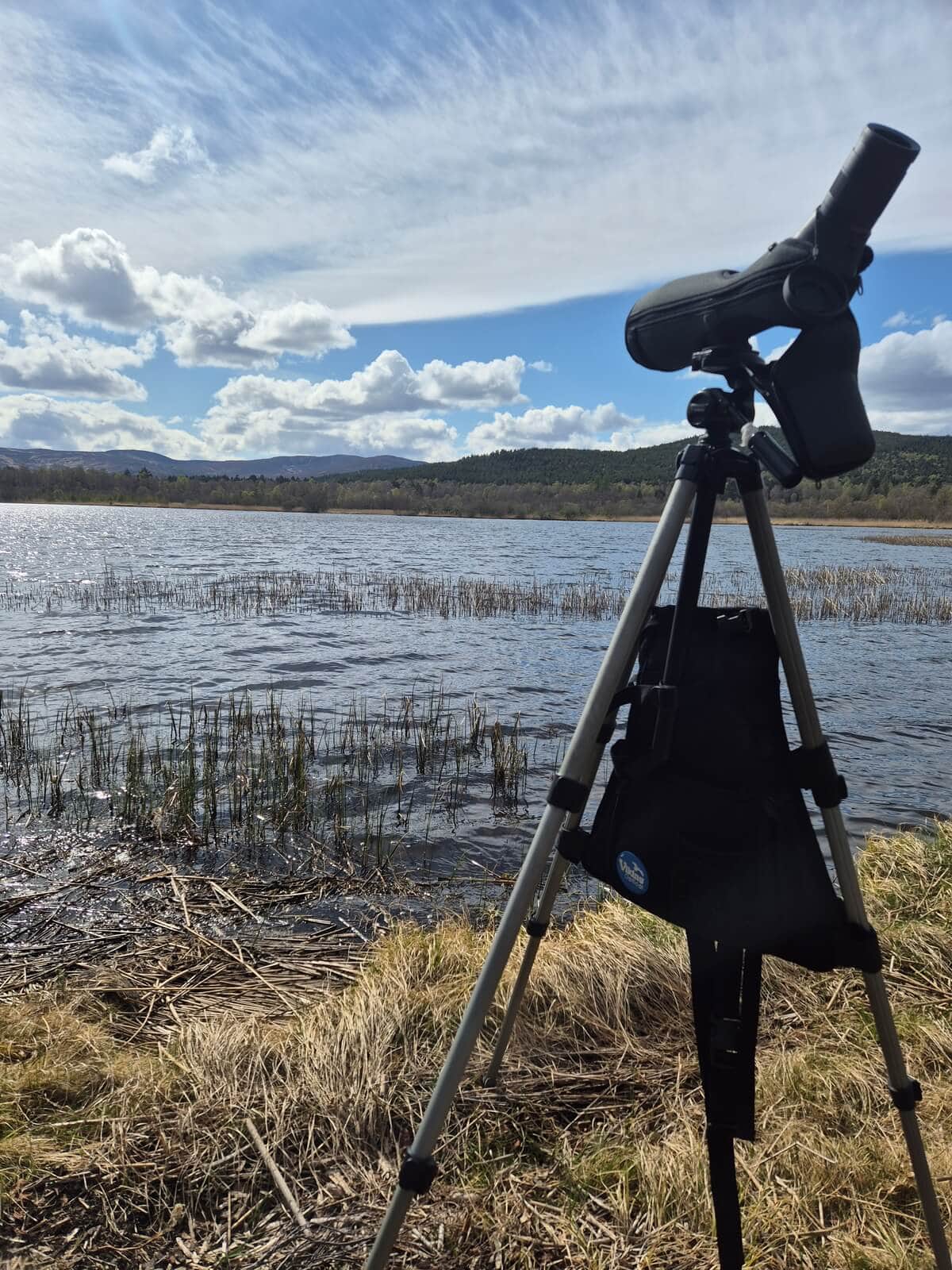
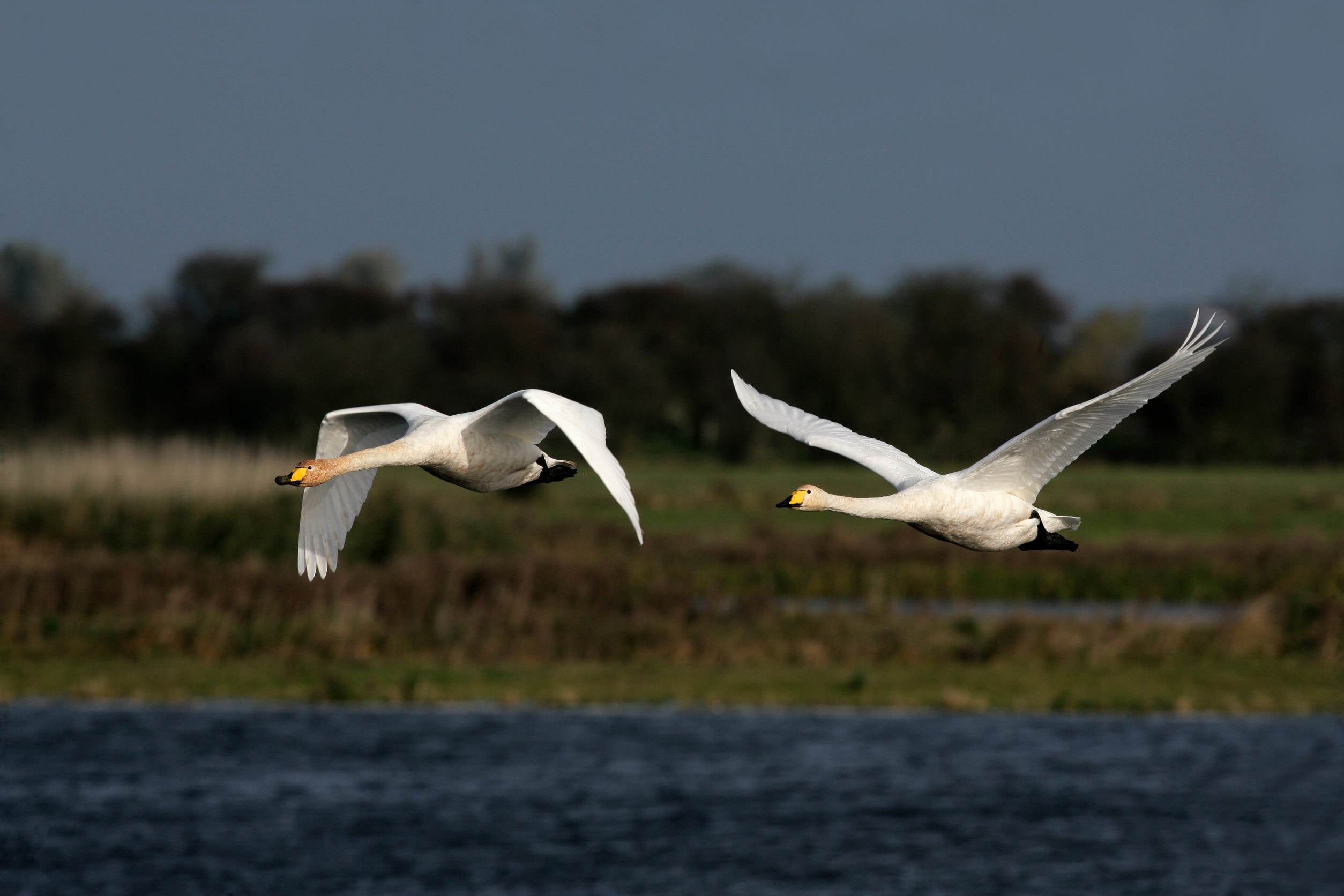
In terms of one slightly more recent one – I was up at about 5a.m. the day before I moved for this job, my last day at my previous job as a reserve officer. I was doing a goose count and sat on the side of the loch for about three or four hours as the sun starts to slowly rise. I loved just watching and hearing the wildlife around. White shapes across the water becoming clearer and clearer to reveal about 40 swans – a mix of mute and whoopers. The hoots of a tawny owl. The squawk of a heron as it flew over to land in the reeds.
It’s not about going to the perfect place: it’s about just finding a spot and hanging around for a little while or just going for a walk for a bit.
When I work with kids, a lot of the games I do are all based around senses – about opening your senses to things and using different senses.
We often practice what’s called a “sit spot” – picking a spot which either in that moment connects with you or maybe it’s your favorite spot somewhere, and you just find that spot and sit there.
Usually when I do it with kids, I ask them to find a spot and sit quietly for about three minutes. Sometimes I ask them to count the different sounds they hear, sometimes it’s just “we’re going to sit here and we don’t need to talk, nothing.

So where’s your favorite spot? It doesn’t have to be on the Annan, and you don’t have to be specific so everyone else goes there!
Certainly it changes with seasons. I’ve moved a lot in the last few years – I’ve been on the go every six months or so.
So it is important to me, every time I move to a place, to go for a walk and try and find somewhere that I like and that feels peaceful.
I grew up pretty much in the same village, and the village is on a hill. So it’s either you go down to the river or you go up to the hill. I’d probably say, just from a long time of connection, those are two of my favorite spots.
Go down to the river, swim in the summer. And I love going up on the hill on a windy day – there’s a bench up there and I’ll sit on it.
ADVICE FOR ASPIRING CONSERVATIONISTS
What’s one piece of advice you’d give to someone thinking about getting into this field or applying for an internship?
When I talk to people about getting started, it’s really important to just start to learn what you do and don’t like. Sometimes the “don’t like” is just as important as what you do like.
Every time you do a volunteering day or a seasonal job, is a chance to find the find the things you’re really interested in and do like to do.
But equally, sometimes you go out for a day and do something and you go “you know what, that was good for that day, but I don’t think I want to do that again.” All those things help piece together what you want to look for.
An interest and passion and a willingness to learn about things is going to get you really far. Equally, perseverance, especially regarding job applications is important – don’t get put off. You’re going to have to have a bit of a thick skin sometimes with applications and remember not to take them personally. Sometimes it’s not about you, it’s about who else applied.
I’ve applied for the same jobs sometimes within a few months of each other. The first time I got rejected, didn’t even get an interview. Second time – interview and got the job.
When you can start to aim your applications to the sorts of things you like to do, that interest comes across. People fundamentally want to work with other people who are just as interested and passionate about things.
If you’re interested, you’re always going to be willing to learn, and that’s also important – there’s always something to learn no matter where you are and what you’re doing.
Having a smile on your face even when you’re getting drenched in pouring rain as you’re trying to put a fence up or something – that’s part of the fun.
There’s no “right” decision. It’s often about making the decision right for you, making it work and getting the best out of it wherever you can.
I completely understand that starting out, it’s tough and you just need to get that first foot in the door that’s going to get you further. You’ve just got to hold out a little bit until you can get to that.
Thank you Rhona!