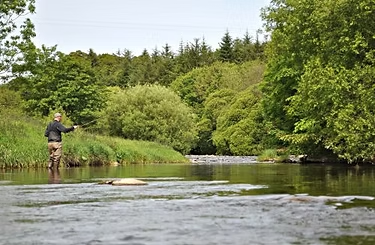


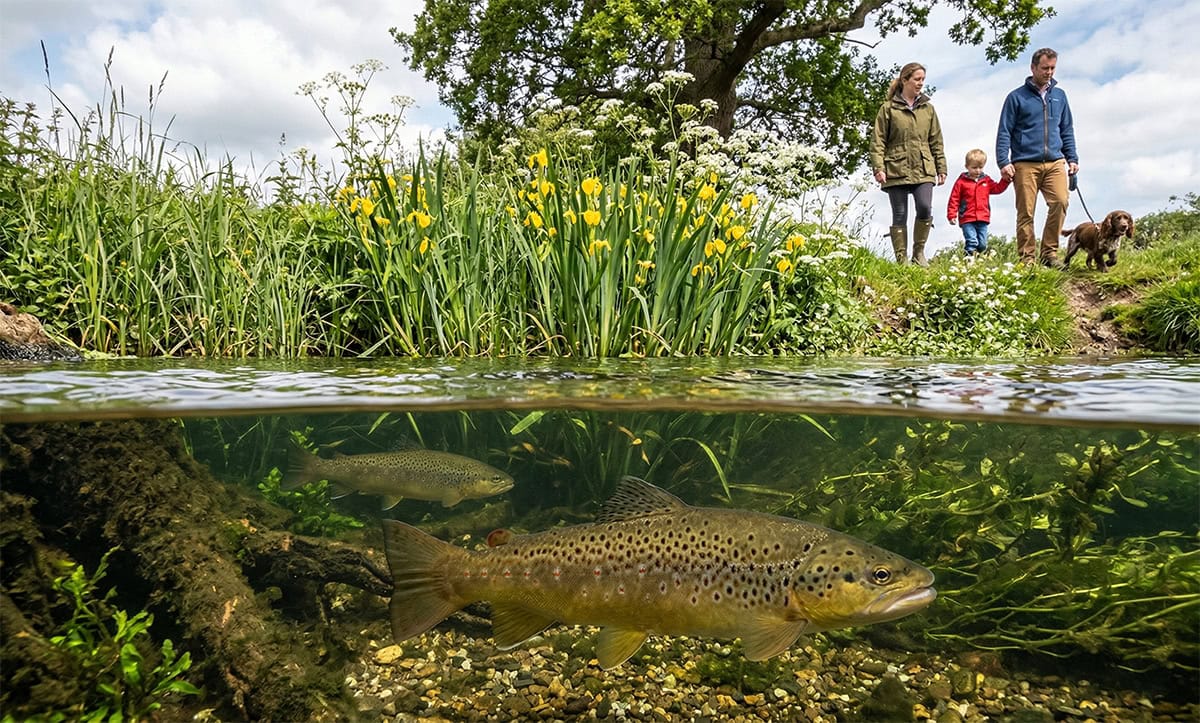
There’s a moment every angler knows. You’re standing in the river, line drifting through a deep pool, and everything feels right – clear water, a healthy run of gravel, the flash of a trout holding in the current. Or you’re walking the bankside path and you spot an otter, hear the creak of a dipper, watch a salmon roll in the shallows on its way upstream.
Those moments aren’t accidental. They depend on a river that’s working properly. And right now, across the rivers of Galloway and Annandale, organisations are doing serious, hands-on work to make those moments happen more often – to make the rivers healthier, the fish stocks stronger, and the whole experience better for everyone who uses them.
It’s easy to think of “river restoration” as something abstract – a conservation project happening somewhere in the background. But for anyone who fishes or walks these rivers, the benefits are concrete and direct.
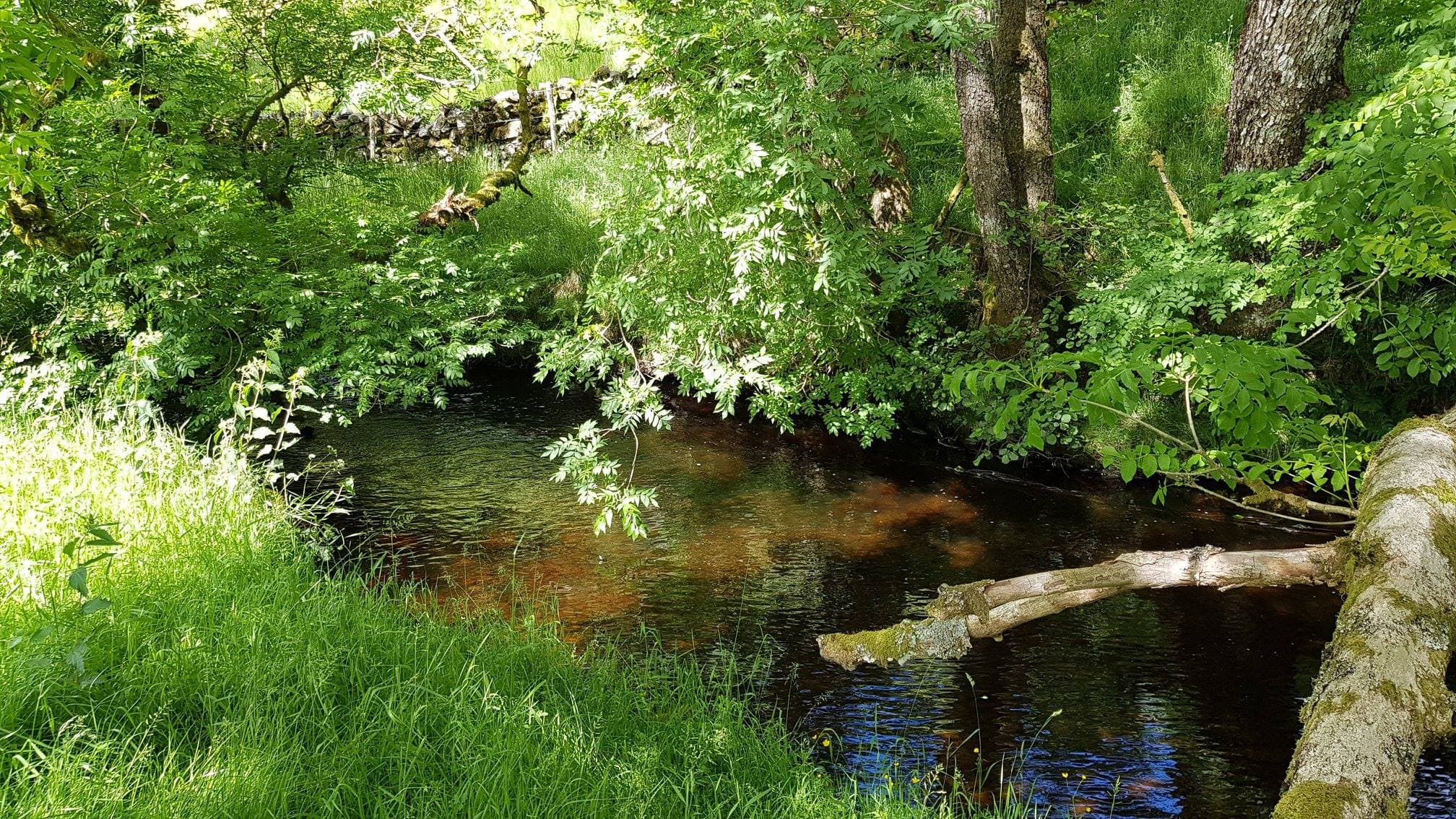
A healthy river has structure: deep pools where salmon rest, riffles that oxygenate the water, gravel beds where fish spawn successfully. It has bankside trees providing shade that keeps water temperatures down in summer (crucial for salmon survival), and whose roots stabilise banks against erosion.
It has clean, clear water with thriving invertebrate populations – the mayflies, stoneflies and caddisflies that tell you the ecosystem is working, and that provide the food source underpinning fish populations throughout the season.
The opposite is also true. Straightened channels, eroded banks, silted-up gravels, water that runs too warm in summer – these aren’t just aesthetic problems. They directly reduce spawning success, limit juvenile fish survival, and push fish populations downward year on year. Reversing that trend is exactly what the restoration programmes described below are designed to do.
“A river without structure is a river without fish. Every pool restored, every stretch of gravel cleared, every tree planted on the bank is an investment in the next generation of salmon and sea trout.”— Galloway Rivers Trust, Flowing Forward Programme
Galloway Rivers Trust (GRT) is one of Scotland’s leading freshwater conservation organisations, working across eight major river catchments in Dumfries and Galloway – the Luce, Bladnoch, Cree, Water of Fleet, Kirkcudbrightshire Dee, Urr, Annan and Border Esk.
At the heart of their current effort is the Flowing Forward – Restoring Galloway’s Rivers programme, an ambitious multi-year initiative to improve freshwater and riparian environments across six Galloway catchments.
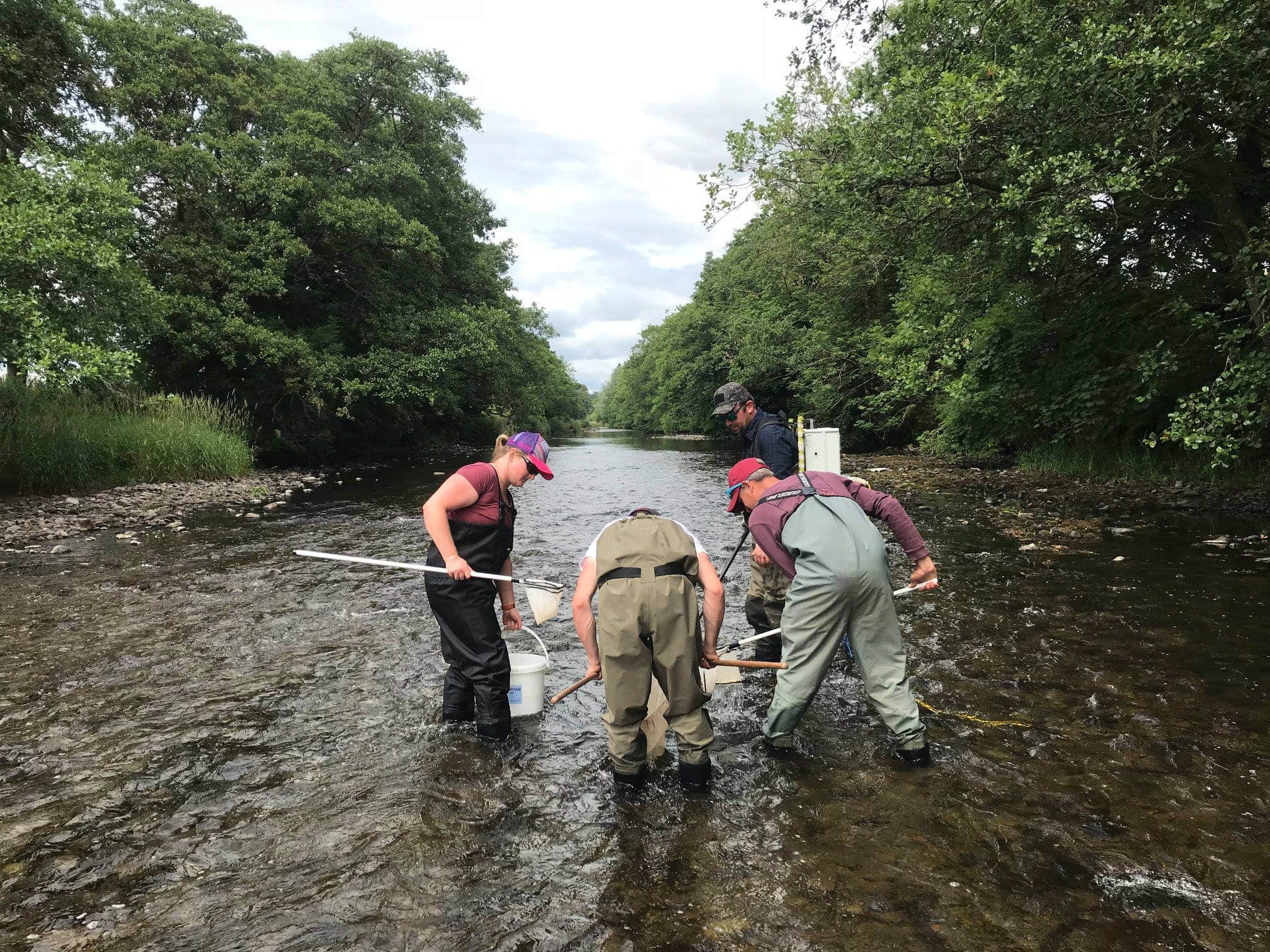
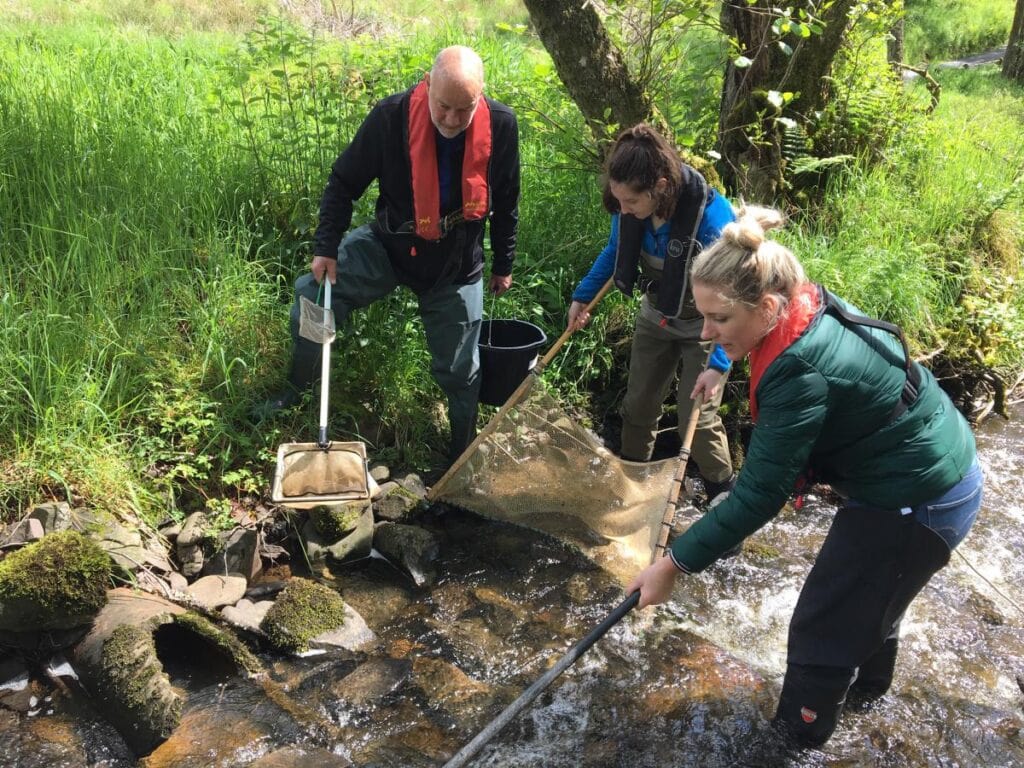
The programme is evidence-led. Before a single tree is planted or a channel restored, GFT’s team carries out electrofishing surveys, water quality monitoring, invertebrate surveys, water temperature monitoring, habitat surveys and drone surveys.
The data tells them exactly where the problems are and which restoration techniques will have the most impact.
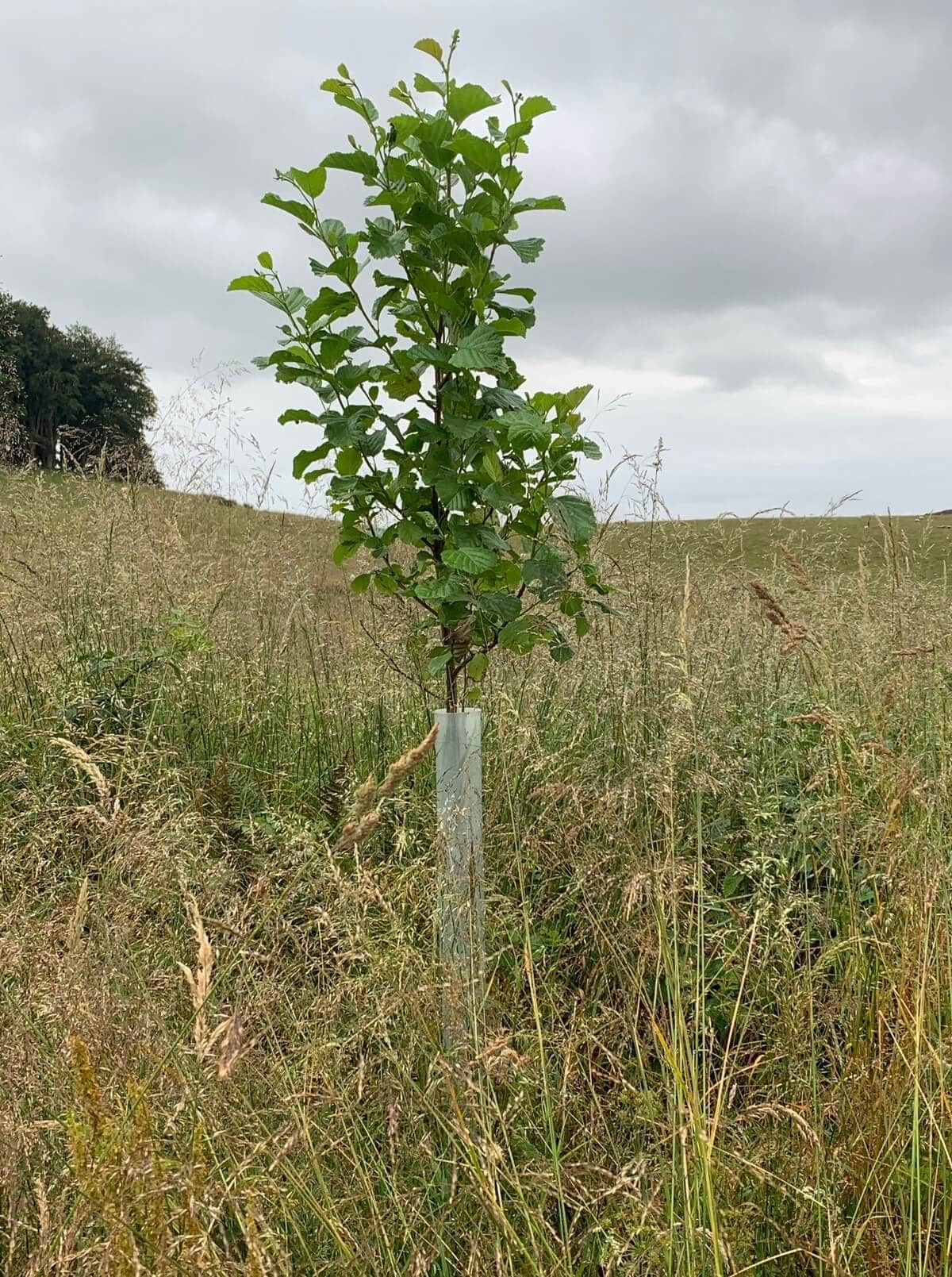
The Habitable Headwaters project has planted 3,500 native hardwoods across 3km of the River Urr headwaters. Bankside trees shade the water, stabilise banks, reduce siltation, and supply invertebrates and leaf litter - building the food web that healthy fish populations depend on.
The historically straightened Barhoise Burn has been reconnected to its natural meanders - restoring the pools, riffles and varied habitat that fish need. A straight channel drains fast and heats up. A natural, sinuous channel is a different world entirely.
The Black Water of Dee Restoration Project involves gravel addition alongside conifer removal and riparian planting - restoring the spawning gravels that salmon and sea trout need to reproduce successfully.
GFT is working on 'forestry to bog' peatland restoration sites - tackling the acidification that damages fish populations in the upper catchments. Healthy peat holds water, filters it, and buffers against the acid flushes that can kill fish in their thousands after heavy rain.
At Boreland on the lower Bladnoch, flood banks have been lowered and a series of wetlands created - slowing water down, improving water quality, and creating new habitat for fish and wildlife alike.
The SCAMP programme is working to restore at least 6 Solway coastal burns over 10 years - targeting the small streams that are often overlooked but are critical nursery habitat for juvenile salmonids.
Over the last decade, around 70 kilometres of riparian fencing has been erected along the Annan by the fisheries board and trust – excluding livestock from the riverbanks and allowing natural vegetation to recover. The benefits are exactly what you’d expect if you’ve ever seen a fenced stretch beside an unfenced one: the difference in bank stability, vegetation, invertebrate diversity and water quality is striking.
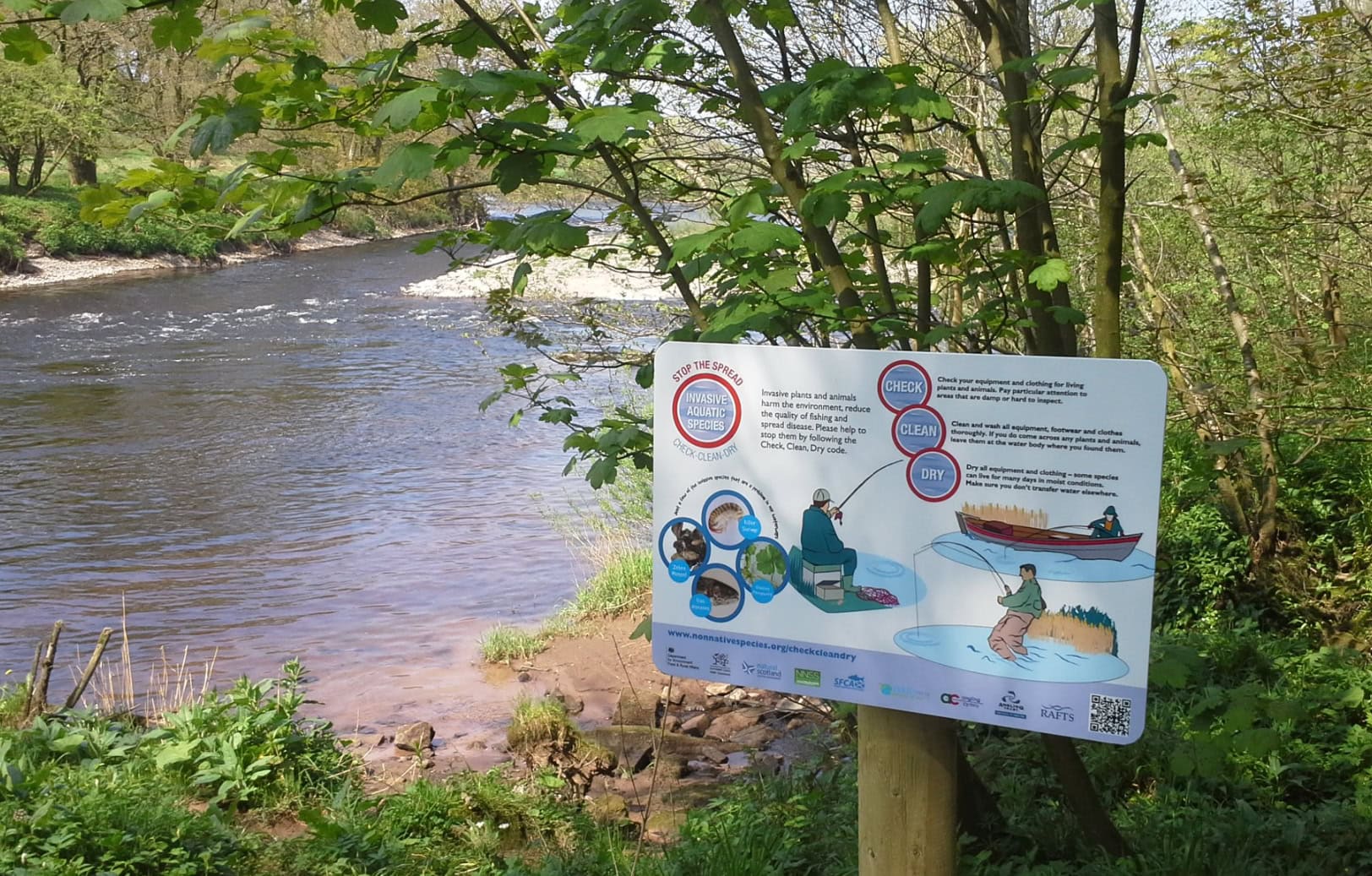
These fencing projects are consistently followed up with riparian tree planting, with native species creating the woodland corridors that shade the water, supply food to the river, and connect habitat across the landscape. The Trust also works on biosecurity to prevent the spread of invasive species, improves access for anglers and walkers, and carries out ongoing surveys to monitor fish stocks and river health.
The Annan is a river that has seen real changes in its salmon run timing in recent years – a pattern shared by many Scottish rivers. Traditionally known as a back-end river, it now sees its main run of summer salmon arriving from late June through to late September, with summer grilse following from late July. A smaller spring run also exists on the lower beats. Restoration work is aimed squarely at ensuring the river is in the best possible condition to receive and support fish whenever they arrive – clean, cool and well-structured throughout the season.
The Trust also runs a long-term grayling monitoring programme on the Annan, using anglers to help gather data on stocks across the catchment. It is a genuinely collaborative citizen science effort that builds a valuable dataset for fisheries management while giving anglers a meaningful role in caring for the river they fish.
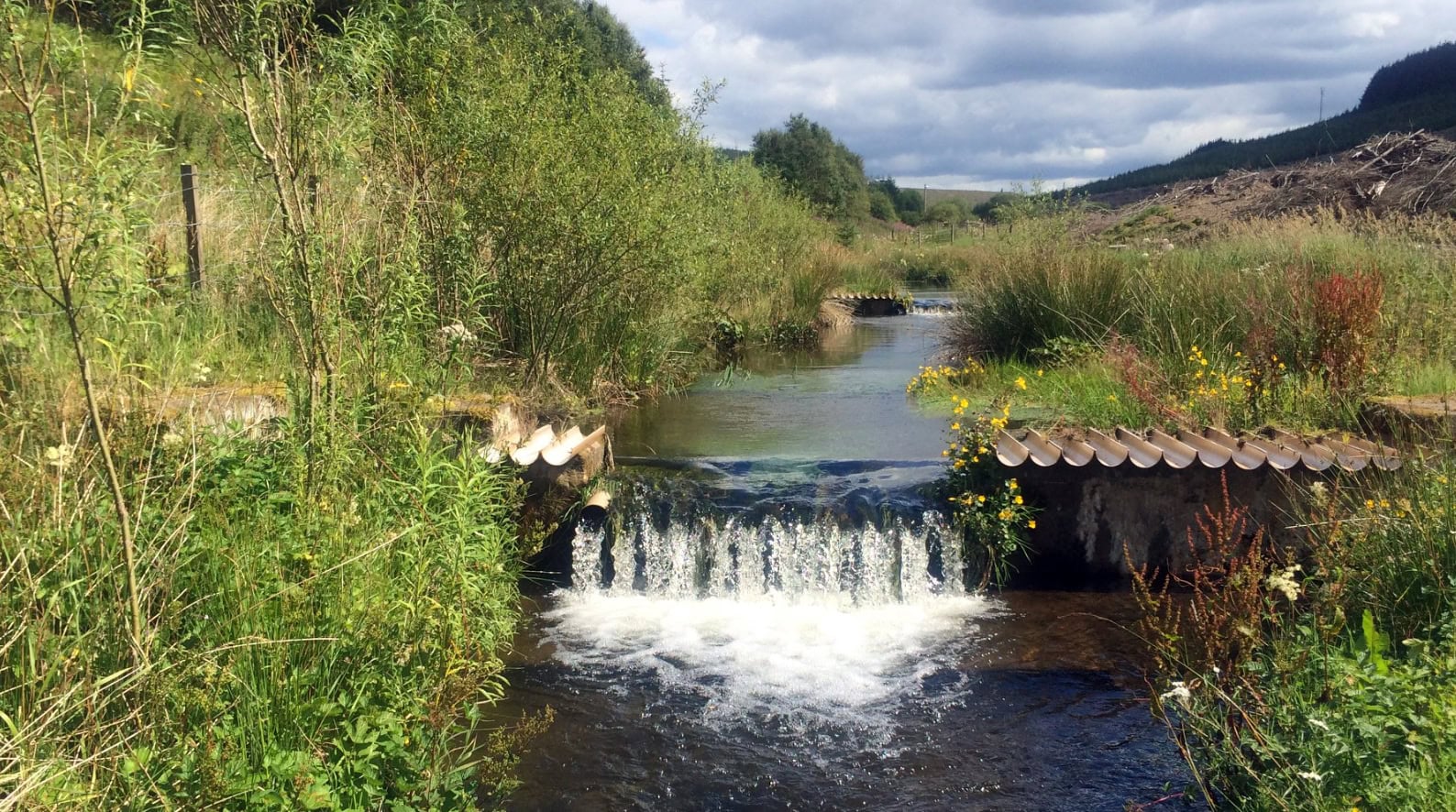
70km of riparian fencing installed in the last decade – protecting banks from livestock erosion and allowing natural vegetation recovery across the entire length of the river.
The Annan rises in the Devil’s Beef Tub in the Southern Uplands and flows 40 miles south to the Solway Firth – salmon, sea trout, brown trout and grayling throughout its length, with restoration work benefiting all of them.
The River Annan Trust works closely with Galloway Rivers Trust, anglers, landowners and local communities to deliver improvements across the whole catchment.
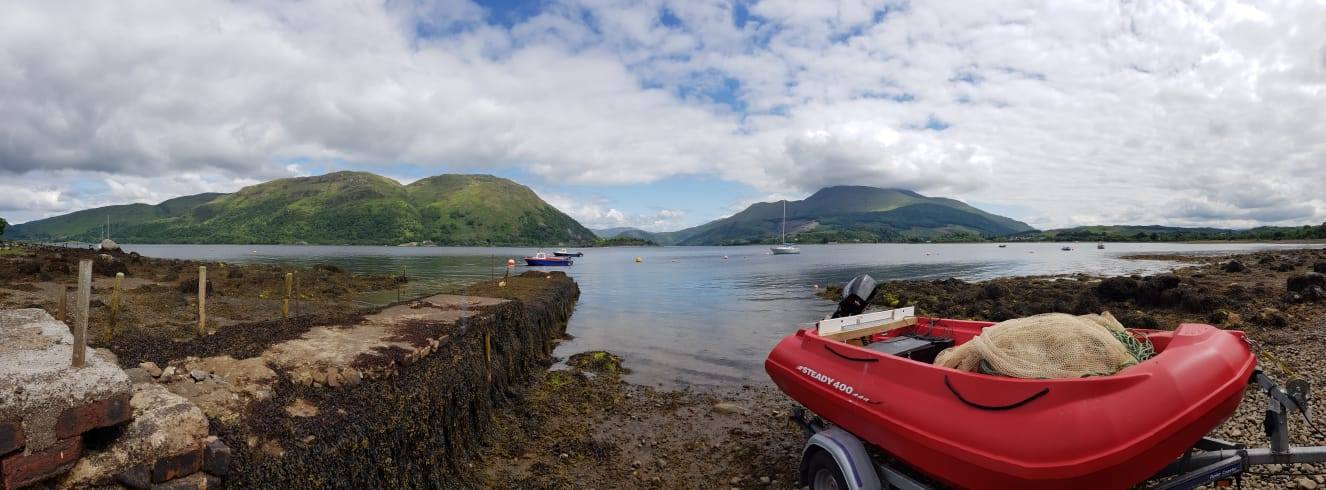
Cleaner gravel means more successful spawning. Lower water temperatures mean fish survive summer stress and stay active longer into the season. Healthier invertebrate populations mean fish are better fed and in better condition when you encounter them.
There’s also something to be said for the simple pleasure of fishing a river that looks and feels right – clear water, varied habitat, the sense that the ecosystem is functioning as it should.
The River Annan offers some of the best value salmon, sea trout, brown trout and grayling fishing in southern Scotland. Permits are available across the full length of the river:
Walk the Annan or any of the Galloway rivers, and you’re walking through an ecosystem in recovery – a landscape that’s becoming richer, wilder and more rewarding with each passing season.
The bankside tree planting that’s been carried out across the Annan means sections that were once open and scoured by cattle are now beginning to develop the native woodland corridors that characterise a healthy river valley. Otters are regularly seen. Kingfishers nest along the lower river. Roe deer move through the riparian woodlands, and red squirrels – still common in this part of Scotland – are a regular sight in the autumn.
The restoration of meanders and natural channel forms means the river itself looks different – more complex, more varied, full of the pools, riffles and backwaters that create interest for the walker as well as habitat for fish. A restored river is simply a more beautiful thing to walk beside.

One of the things that sets both GRT’s Flowing Forward programme and the River Annan Trust’s work apart is their commitment to evidence-based management. Restoration sites are not just treated and left – they are monitored over time so we can measure the recovery, see what is working, and target future effort where it will have the greatest impact.
On the Annan, the Trust carries out regular electrofishing surveys using SFCC methodology, targeting juvenile salmonids at sites across the catchment. These surveys are not just numbers on a page – they help identify exactly where habitat degradation, pollution or barriers to migration are suppressing fish populations, and they provide the evidence needed to make the case for restoration work. The River Annan Trust and Galloway Rivers Trust both contribute data to Marine Scotland’s National Electrofishing Programme for Scotland (NEPS), a Scotland-wide survey giving us the clearest picture yet of how juvenile salmon and brown trout populations are faring across the country’s rivers.
Alongside fish surveys, Trust staff and trained volunteers carry out invertebrate monitoring using the Riverfly Partnership methodology – identifying key groups including mayflies, stoneflies and caddisflies on the Annan. These surveys have already proven their worth on the Annan, having been pivotal in identifying and verifying pollution incidents within the catchment. For any angler who has watched a good hatch coming off the water on a summer evening, this is the science behind that experience – the invertebrates that make it happen, and the monitoring that protects them.
The Trust also carries out habitat surveys and barrier assessments on obstacles throughout the Annan, building the evidence needed to remove or modify structures that are blocking fish migration. Fish passage matters enormously on a river like the Annan, where salmon and sea trout need to move freely from the Solway all the way up into the headwaters to spawn.
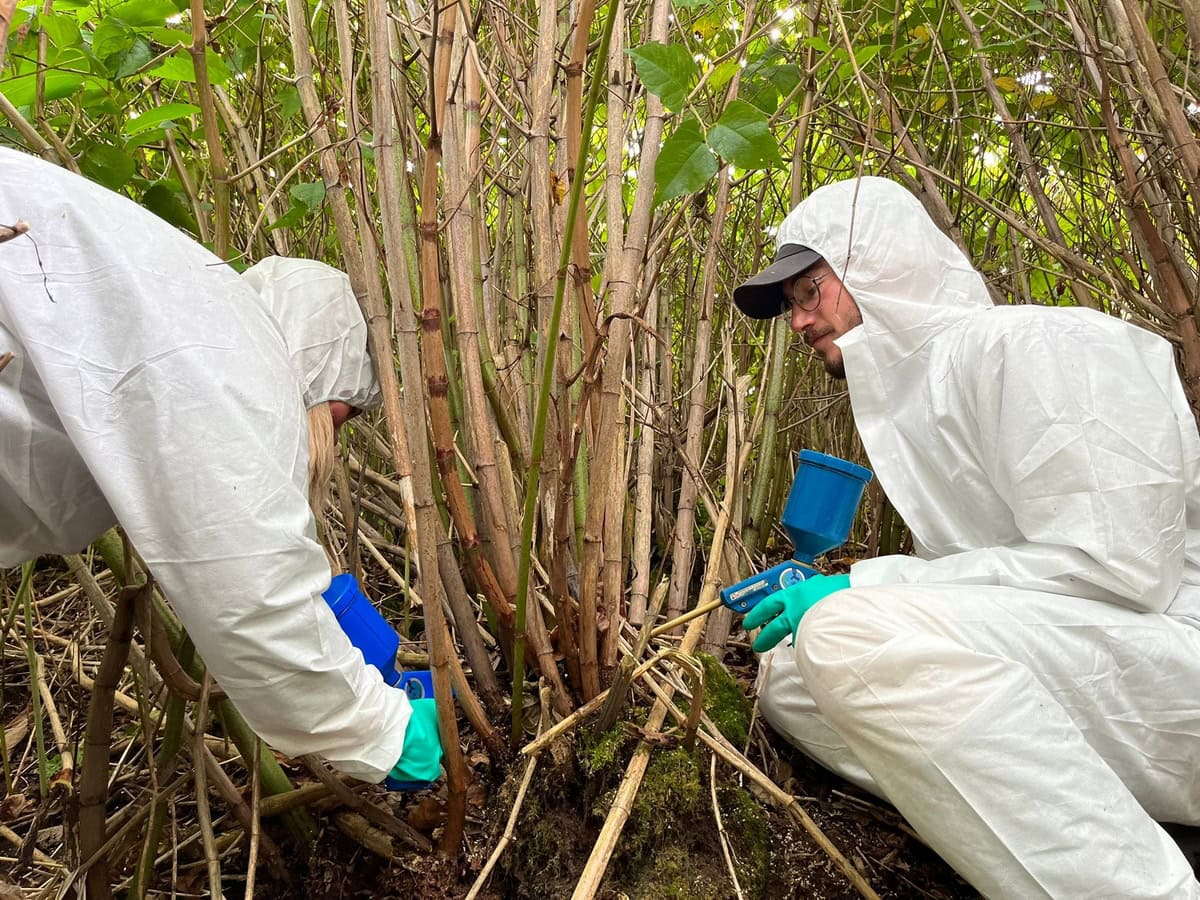
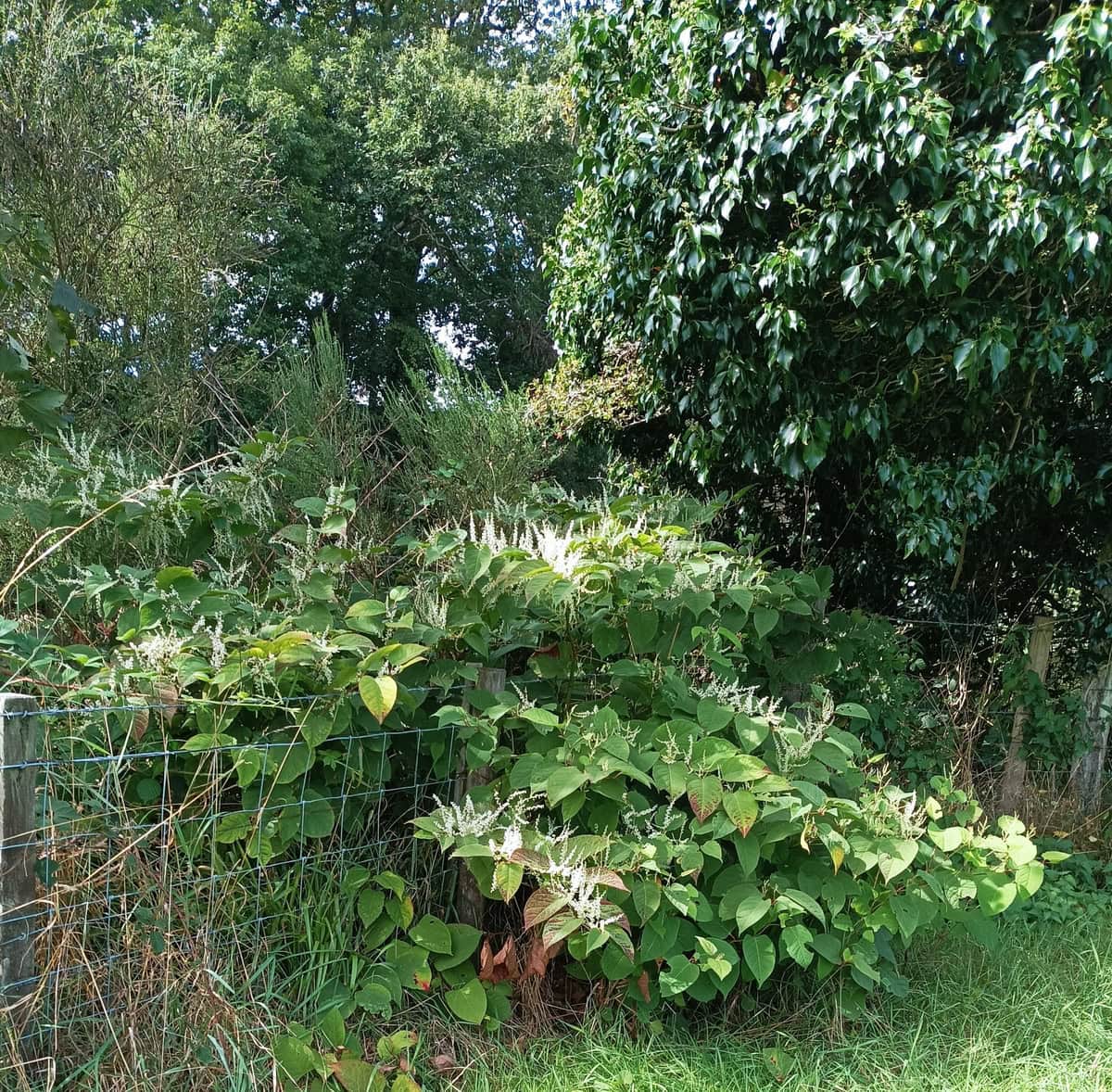
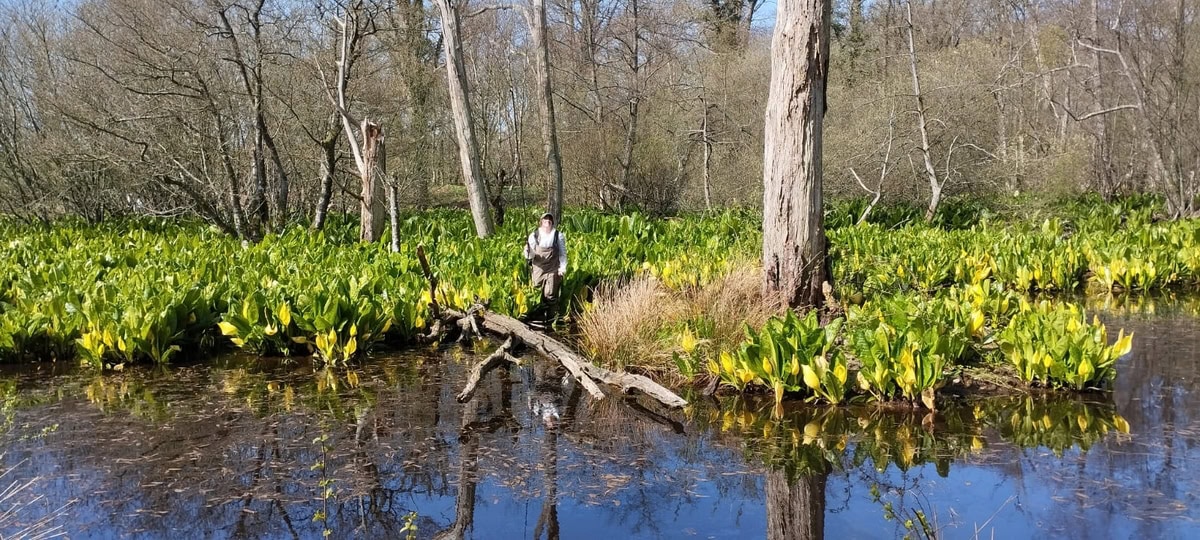
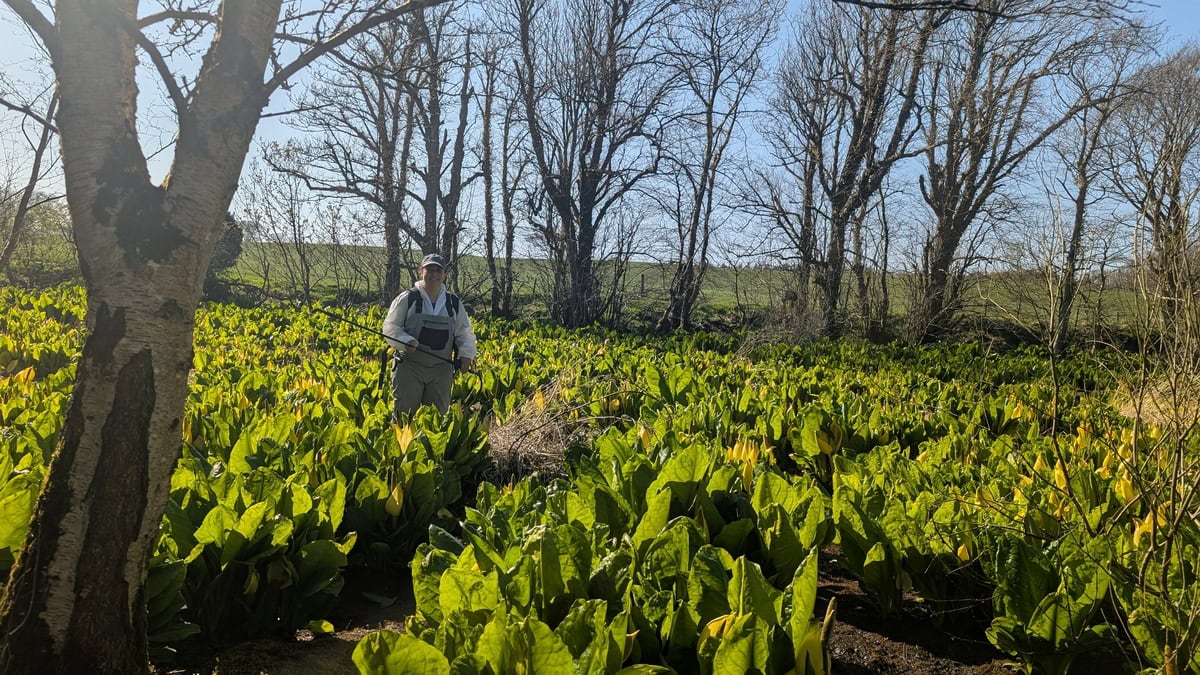
One of the less visible but vitally important aspects of the River Annan Trust’s work is the long-running battle against invasive non-native species. Japanese knotweed was first comprehensively mapped on the Annan catchment in 2008, when 115 separate stands were recorded covering around 1,845 square metres. By the time control work was well established, the Trust had treated over 288 stands totalling nearly 13,000 square metres across 16 miles of riverbank – a remarkable effort that directly protects the bankside habitat that fish and wildlife depend on. The campaign against Himalayan balsam, giant hogweed and American mink runs alongside this, all of it aimed at giving native species the space and conditions they need to thrive.
For walkers, this work is what makes the difference between a riverbank that feels alive and one that has been smothered by alien vegetation. For anglers, it is what keeps the banks stable, the water clear, and the invertebrate life rich enough to support a good head of fish.
The work being done right now – by the Galloway Rivers Trust, the River Annan Trust, and the communities and landowners who support them – is an investment in the rivers you love.
Whether you measure that in fish caught, miles walked, or otters spotted from the bank, it’s an investment worth making together.

Background photo: Giant Hogweeds can grow up to 5 metres tall and spread rapidly along riverbanks, with a single plant producing up to 50,000 seeds.